In Paris, people order “a Sancerre” the way they ask for the bill: with a wave of the hand and no second thought. In Sancerre itself, nobody orders it that way. The first question is which soil it grew on, and the conversation then lasts much longer than the apéritif.
In short: white Sancerre is a 100% Sauvignon Blanc wine made on about 3,000 hectares in the Cher department. Its taste depends first on the soil: caillottes (stony limestone) give lively, floral wines, terres blanches (marl) give fuller wines that age well, and flint gives tense, smoky ones. Serve it between 7 and 12 °C depending on the terroir, ideally with a crottin de Chavignol.
Before it became the star of café terraces, Sancerre was known for its red wines. In the 19th century the vineyard was mostly planted with Pinot Noir, and its reds sold well beyond the Berry region. Then phylloxera, the American aphid that destroys vine roots, ravaged the vineyard in the second half of the century. When it was replanted, a large majority of growers chose Sauvignon Blanc, better suited to their limestone soils and to the growing demand for fresh white wines. The Sancerre AOC was recognised for white wines on 14 November 1936, making it one of the oldest in France, and it extended to reds and rosés in 1959.
The result is that Sancerre’s image has set hard, somewhere between a glass of white on a Parisian terrace and a seafood platter. People assume it is uniform, easy, always “lemony”, and forget that a single village can produce three very different wines. That is the cliché worth taking apart, glass in hand.
What is the Sancerre appellation, and where is it?
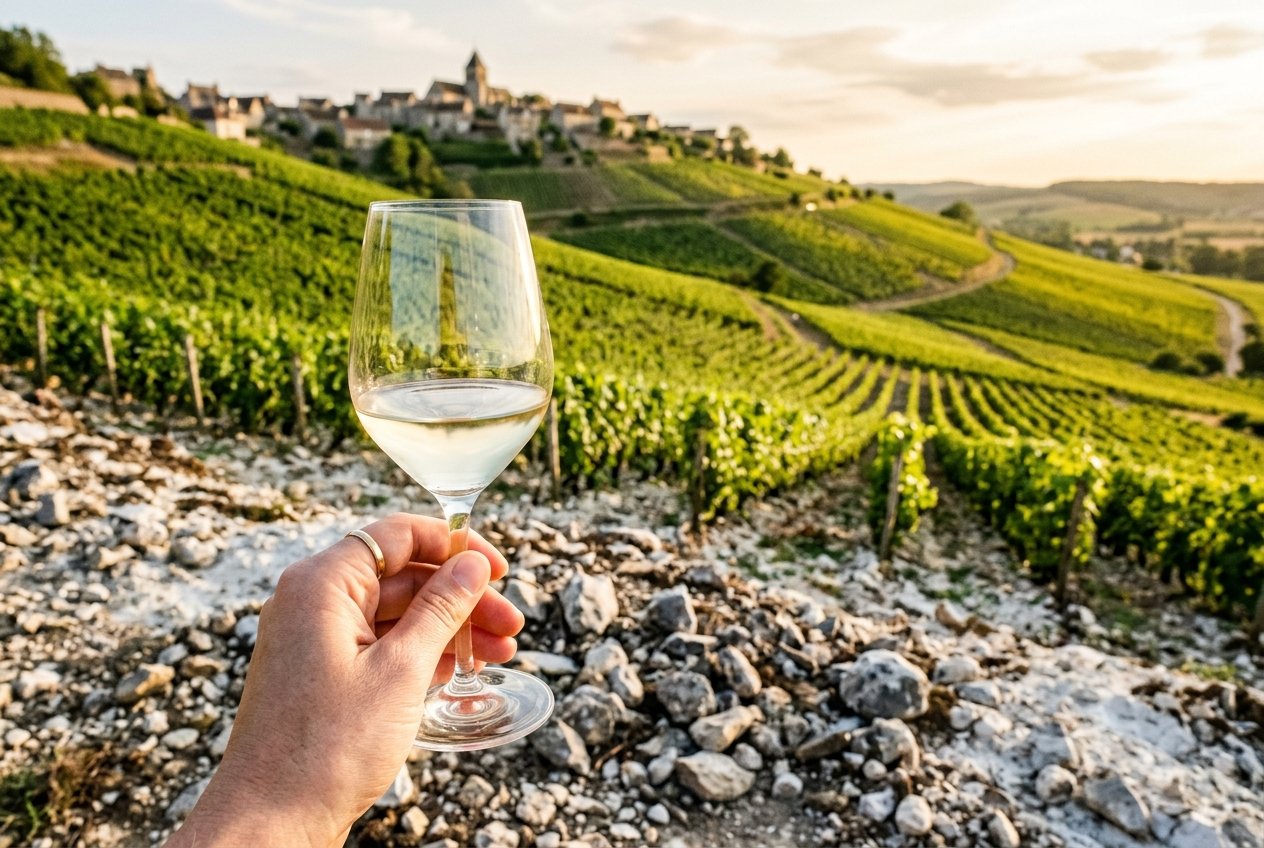
The Sancerre AOC covers about 3,000 hectares across 14 communes of the Cher department, on the left bank of the Loire. They include Sancerre, Bué, Crézancy-en-Sancerre, Saint-Satur, Sury-en-Vaux, Thauvenay, Verdigny and Vinon. Across the river, in the Nièvre, the neighbouring Pouilly-Fumé appellation also makes Sauvignon Blanc, which has fuelled comparisons forever. The village of Sancerre sits on a hilltop, and the slopes fall away towards the Loire in every direction, which multiplies the exposures.
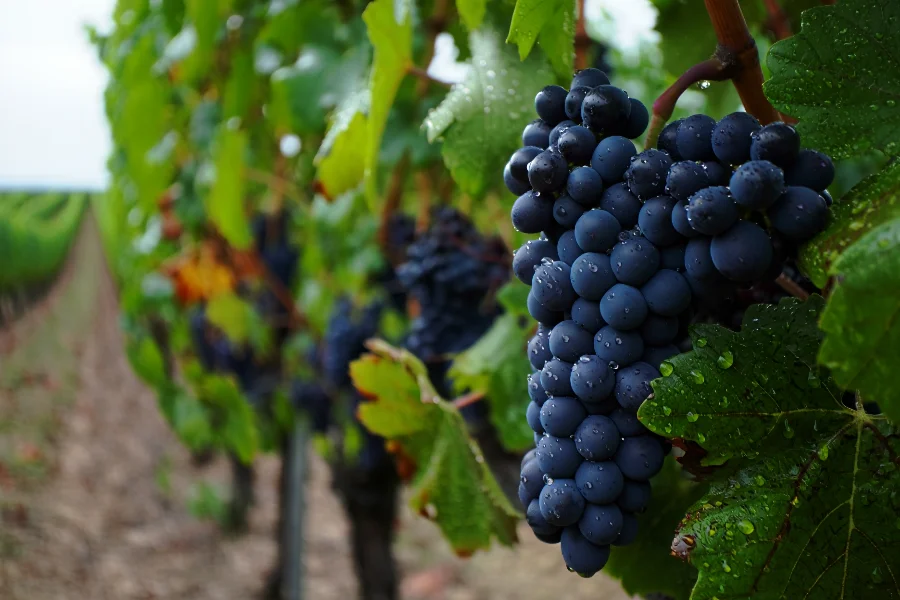
White wine accounts for about 80 to 84% of production, with a single grape allowed: Sauvignon Blanc. Pinot Noir, the only grape for reds and rosés, covers the rest, at roughly 11 to 13% for reds and 5 to 7% for rosés. This single-grape rule gives the appellation its clarity, and it is the soil that makes the difference between two bottles. To better understand what these labels mean, our guide to AOC, AOP and IGP covers the basics.

Climate plays its part, but discreetly. Winters are cold and summers are mild with cool nights, which preserves the grapes’ acidity right up to harvest. Sauvignon Blanc likes these conditions: it keeps its tension and citrus aromas without turning heavy. To place Sancerre among the other vineyards of the valley, our Loire Valley wine map guide gives the full picture.
Caillottes, terres blanches, flint: how do the three terroirs change the taste?
The Sancerre subsoil is a mosaic, and growers talk about three main families of soil. Each leaves a signature that is easy to recognise when you taste side by side, which is what makes the appellation so rewarding for a curious wine lover. These soils come in patches, sometimes a few hundred metres apart, so a single estate often farms several of them. That is what allows some growers to bottle separate cuvées by terroir. The table below gives the essential landmarks before we go into detail.
| Terroir | Serve at | Soil and wine style |
|---|---|---|
| Caillottes | 7 to 10 °C | Hard, very stony, shallow limestone. Fresh, floral, immediately fruity wines, best drunk young. |
| Terres blanches | 10 to 12 °C | Kimmeridgian marls, on the western hills. Full, structured wines that can age well. |
| Flint (silex) | 9 to 11 °C | Clays mixed with flint, on the eastern hills. Tense, mineral wines with a smoky gunflint note. |
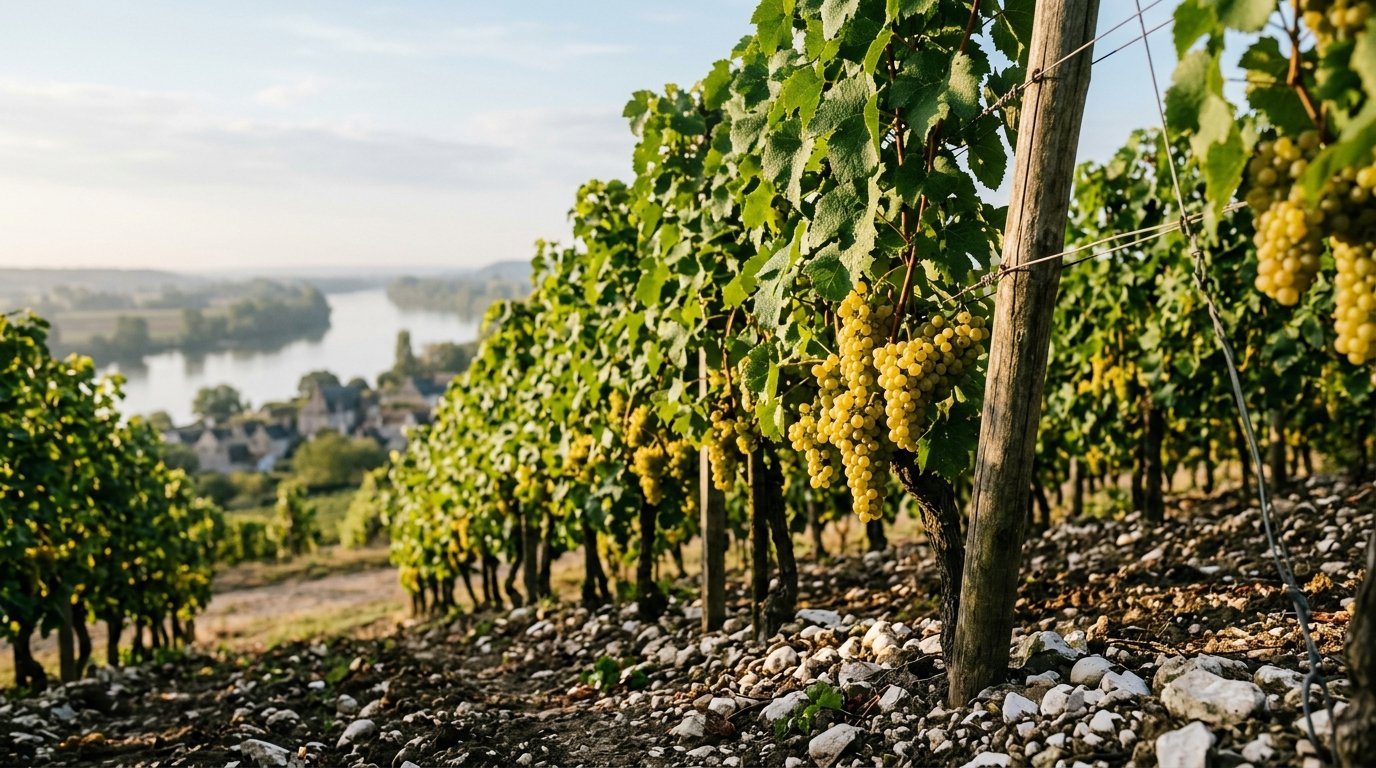
Caillottes take their name from the limestone pebbles that cover the ground, and the vine sends its roots into cracked rock. The wines that come from it are the most immediate: grapefruit, lemon, white blossom, a light palate that makes you want a second glass. They are perfect for discovering the appellation, and they are the ones you most often find at the apéritif.
Terres blanches rest on Kimmeridgian marls, a white limestone clay formed around 150 million years ago and full of tiny fossilised oysters. It is the same type of soil as in Chablis, and the parallel can be tasted: denser matter, a wider palate, notes of pear and wet stone. These wines gain from waiting a few years, sometimes much more, and they cope better with a gastronomic table than with an apéritif.
Flint, finally, gives the most singular wines. This hard, dark, sharp-edged rock holds the day’s heat and mixes with the clay on the eastern hills. The whites it produces are tense, almost electric, with a smoky note tasters describe as “gunflint”, like a match that has just been struck. The style recalls certain wines from the right bank, around Pouilly-sur-Loire, but with a finer grain.
Sancerre red and rosé: what does Pinot Noir do here?
Pinot Noir is Sancerre’s historic grape, and here it delivers a wine far lighter than its Burgundian cousins. The reds are pale and crunchy, with tart cherry, redcurrant and soft spice, and little tannin (the substance that gives a drying sensation in the mouth). The rosés, lively and delicate, lean towards fresh red fruit and should be served well chilled, around 8 to 10 °C. As for the reds, twenty minutes in the fridge helps, bringing them to around 13 to 14 °C and making them more inviting.
These wines remain a minority, but they deserve the detour. At the apéritif or with fine charcuterie, a chilled red Sancerre is an elegant alternative to the usual white. To compare with the valley’s other reds, our guide to choosing a Loire red helps you decide between charm and structure.

Partner offer

Direct wine, better price.
Which dishes go with Sancerre?
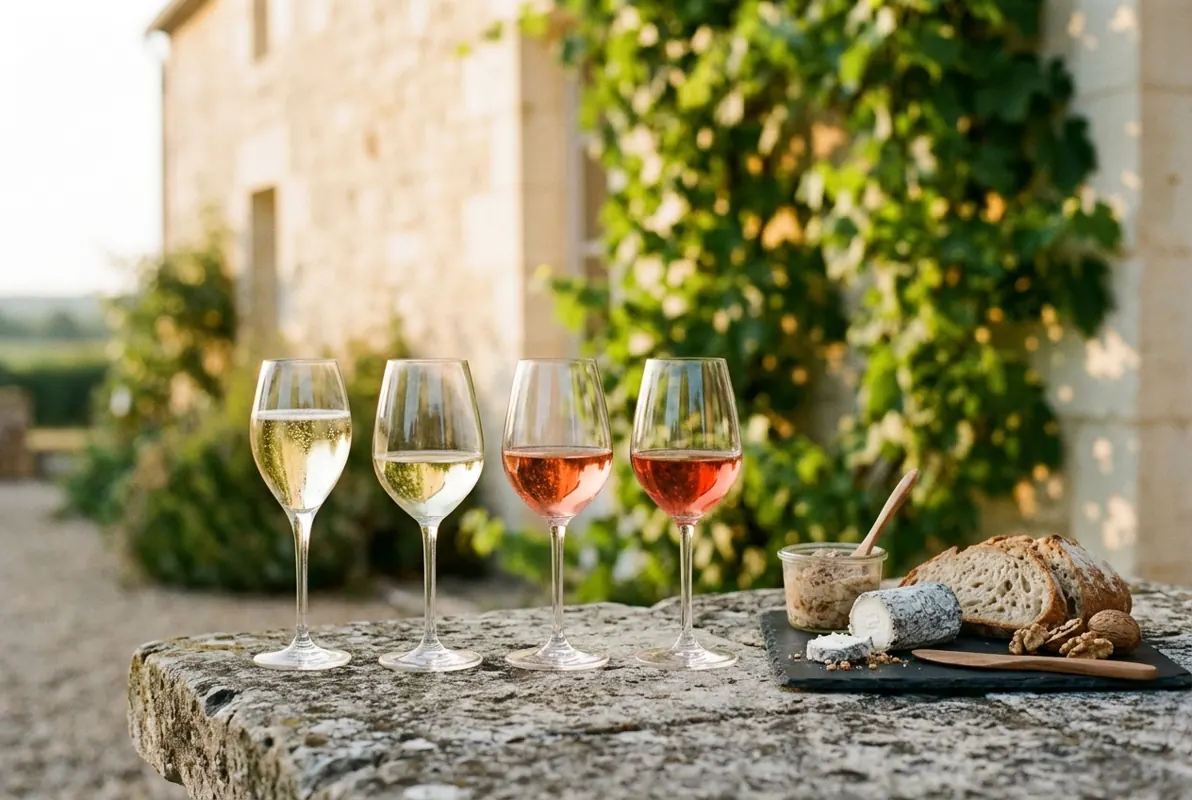
The most famous match is Sancerre with crottin de Chavignol, a small goat cheese born in the hamlet of Chavignol, which belongs to the commune of Sancerre. The cheese earned its AOC in 1976, then European AOP status. The acidity of the Sauvignon cuts through the creaminess of the curd, while the salt in the cheese softens the wine’s liveliness and brings out its fruit. A young crottin, soft and fresh, likes caillottes, whereas an aged crottin, dry with a hazelnut note, calls for the substance of terres blanches or flint.

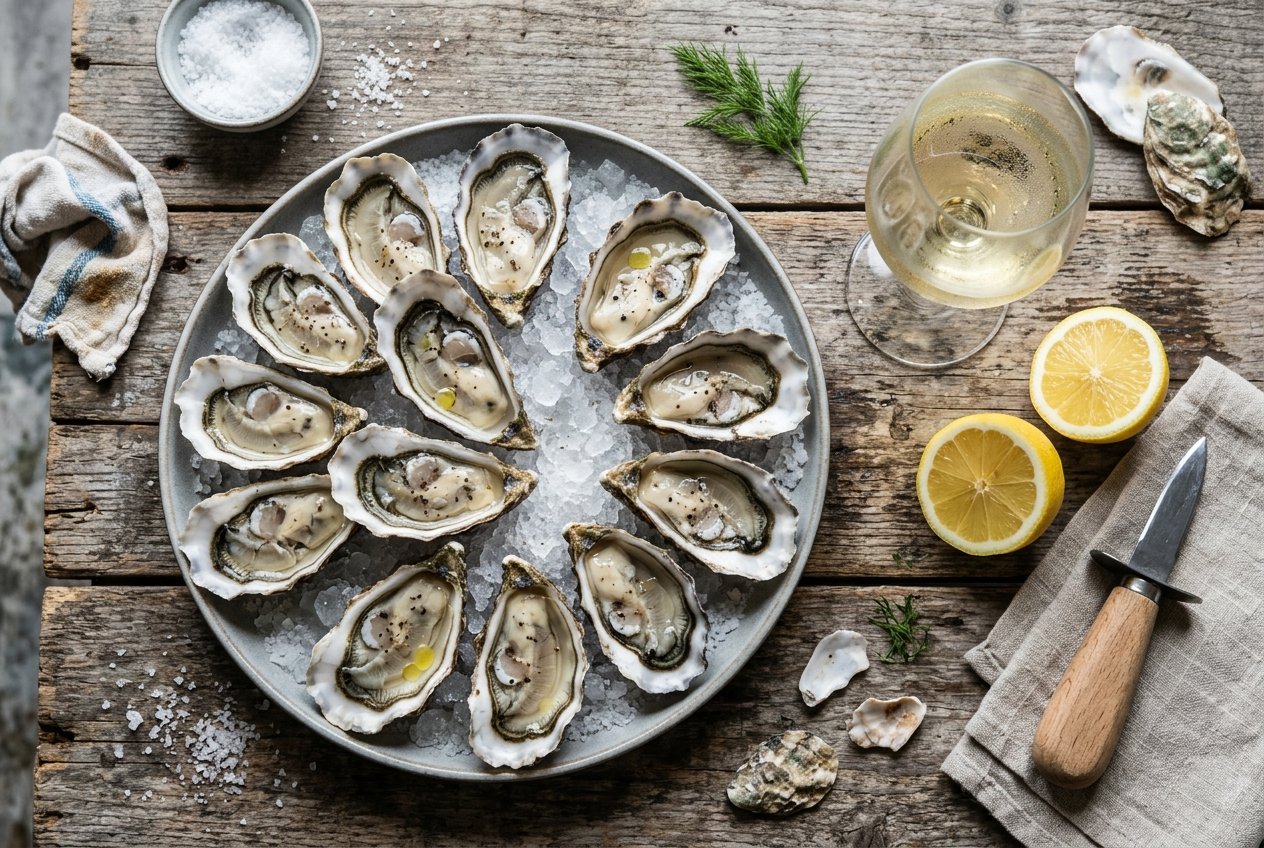
White Sancerre also suits Loire river fish such as pike-perch in beurre blanc, oysters and prawns, asparagus and warm goat cheese salads. The simple rule to remember: the fattier or saltier the dish, the livelier the wine should be. Our article on Loire wines with goat cheeses details the pairings region by region. If you are hosting, remember that Sancerre also works well as a welcome wine before the meal.
When it comes to dessert, white Sancerre does not pick a fight. It simply cleans the palate between two bites of cheese, and that is already a lot. Keep the sweet Loire wines for the end of the meal, and Sancerre for everything before.
At what temperature and in which glass should you serve Sancerre?
In professional tasting standards, light or medium-bodied white wines are served chilled, between 7 and 10 °C, and full-bodied whites slightly less cold, between 10 and 13 °C. That fits Sancerre well: young caillottes and flint around 8 to 10 °C, terres blanches around 10 to 12 °C. A wine that is too cold loses its aromas, and one that is too warm exposes the alcohol and lacks tension. The same book adds that these guidelines should not override your guests’ preferences: as host, respect their choice.
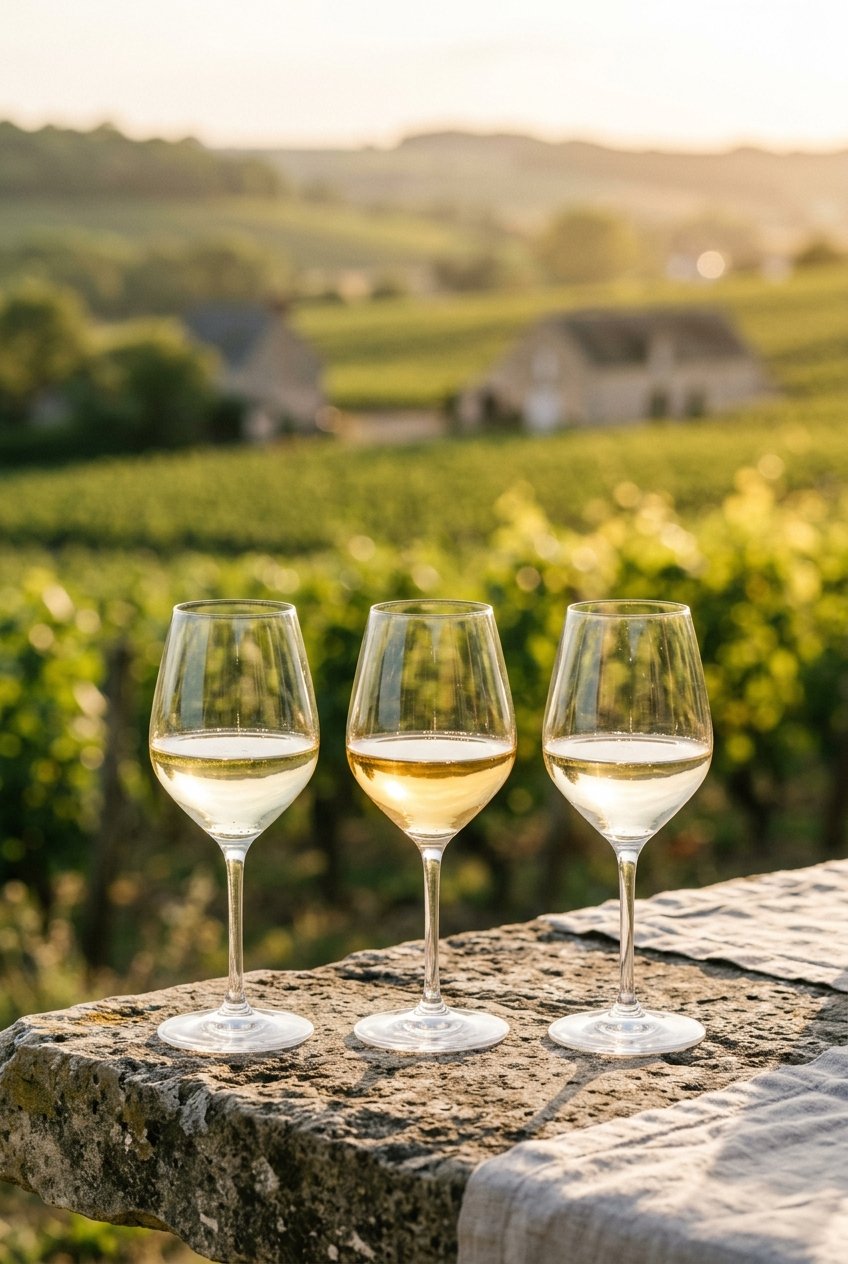
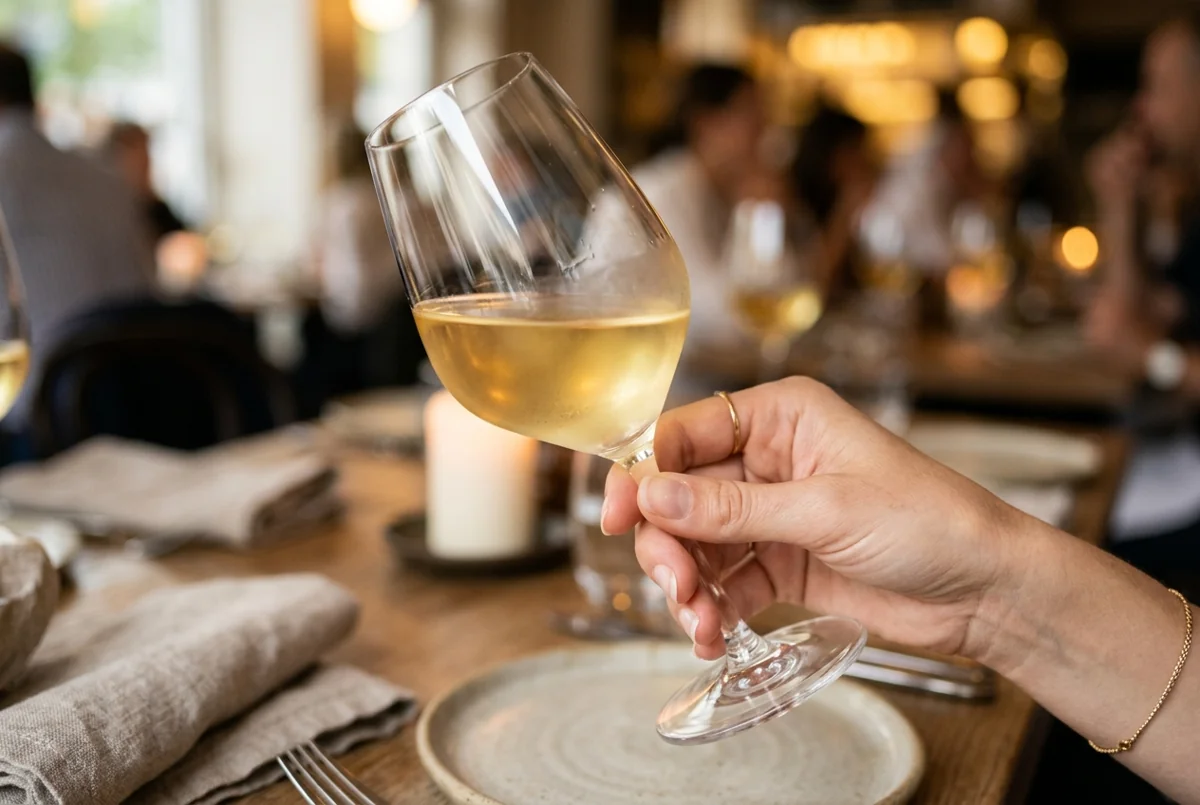
For the glass, choose a model whose bowl narrows towards the rim, like a tulip glass. This shape concentrates the aromas and lets you appreciate the nose, which matters for a grape as aromatic as Sauvignon Blanc. Glasses should also be perfectly clean, as detergent residue or a fingerprint can spoil a tasting. If you want to see how these serving rules fit into a whole evening, our guide to Loire aperitif wines is a good next step.
Sancerre or New World Sauvignon: where does the difference lie?
Sauvignon Blanc travels well, and you find it in New Zealand, Chile or South Africa with a very different personality. In a warmer, sunnier climate it often gives exuberant wines, with passion fruit, pink grapefruit and freshly cut grass on the nose. In Sancerre the style is more restrained and more saline, with subtler citrus, boxwood and a minerality that recalls stone. The green notes come from pyrazines, aroma molecules that the grape loses as it ripens, and it is the soil that shapes how they show more than the grape itself.
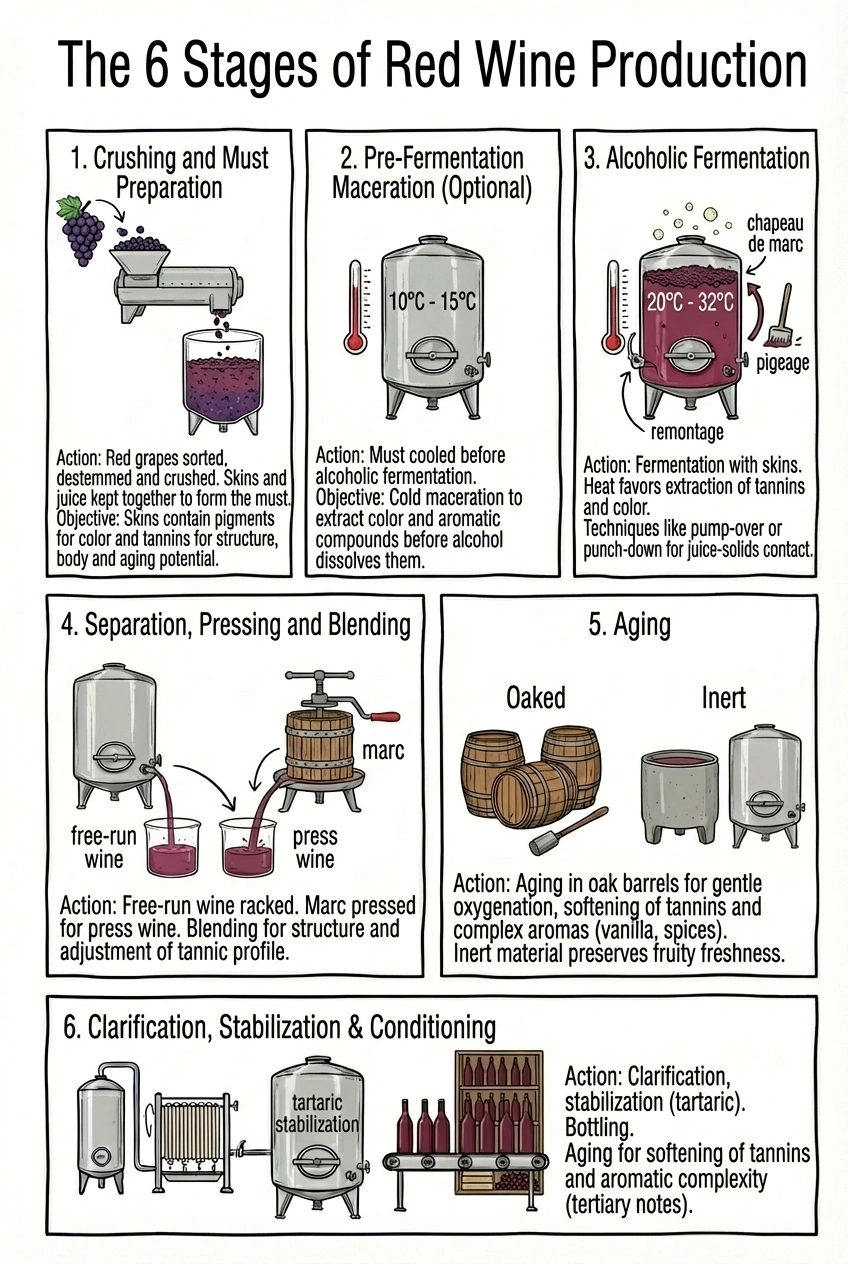
If you want to explore other white wines of the valley for comparison, Loire Chenin Blanc offers a striking contrast: more texture, less nerve, aromas of quince and beeswax. And to understand how a dry white is made, our article on white wine production explains each step in the cellar.
To go further, nothing beats a visit on site: the Sancerre wine road is easy to drive from Bourges or Orléans, and the cellars of Chavignol offer the crottin in the same place as the wine. The Divine Loire app helps you spot estates to visit and plan your stops.
|