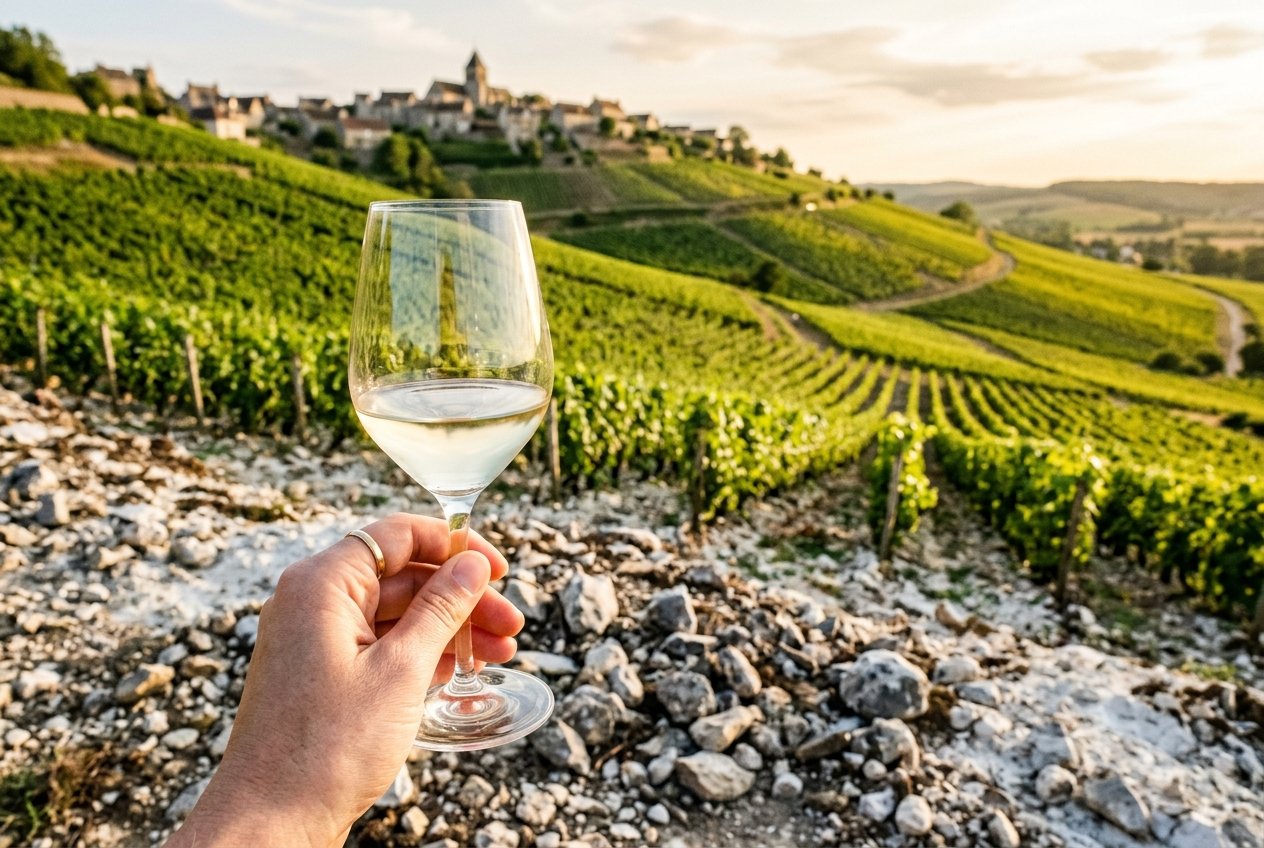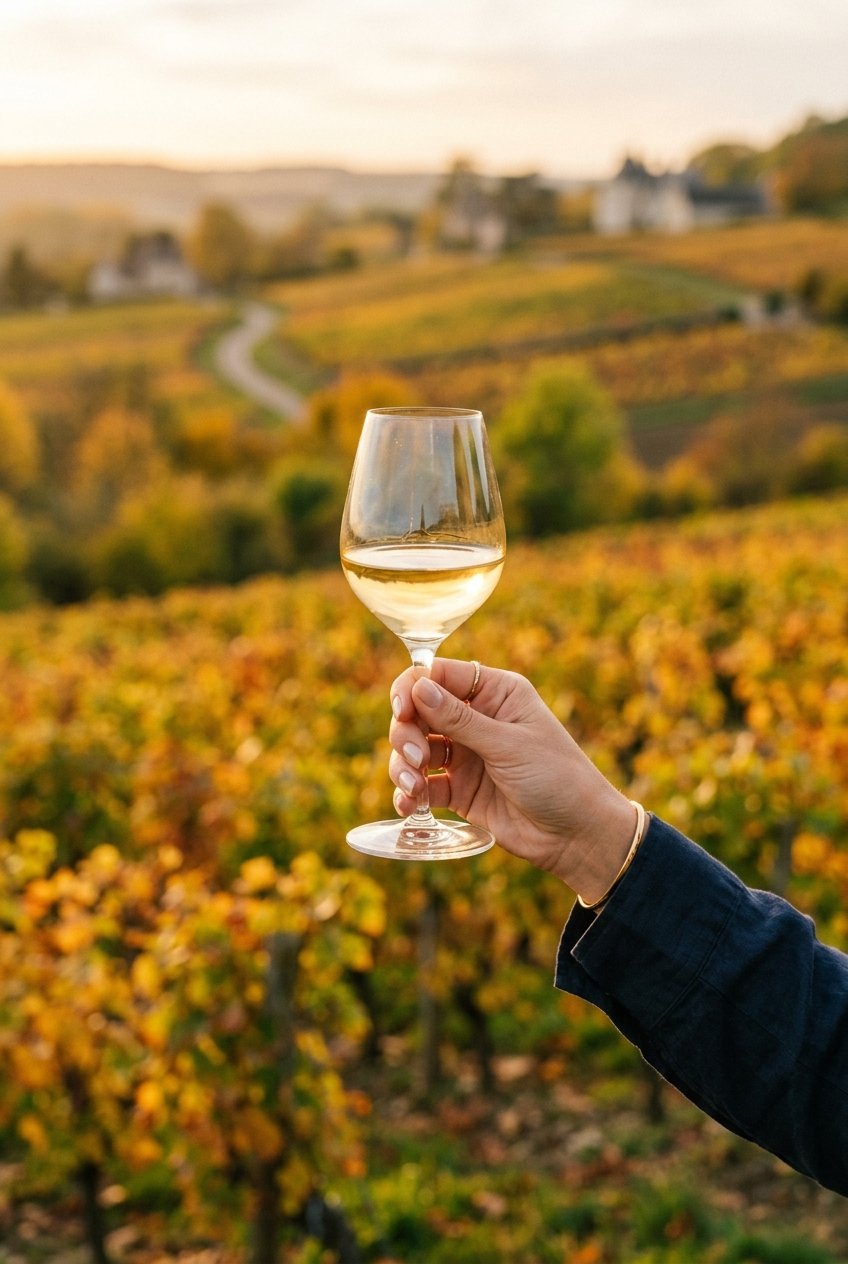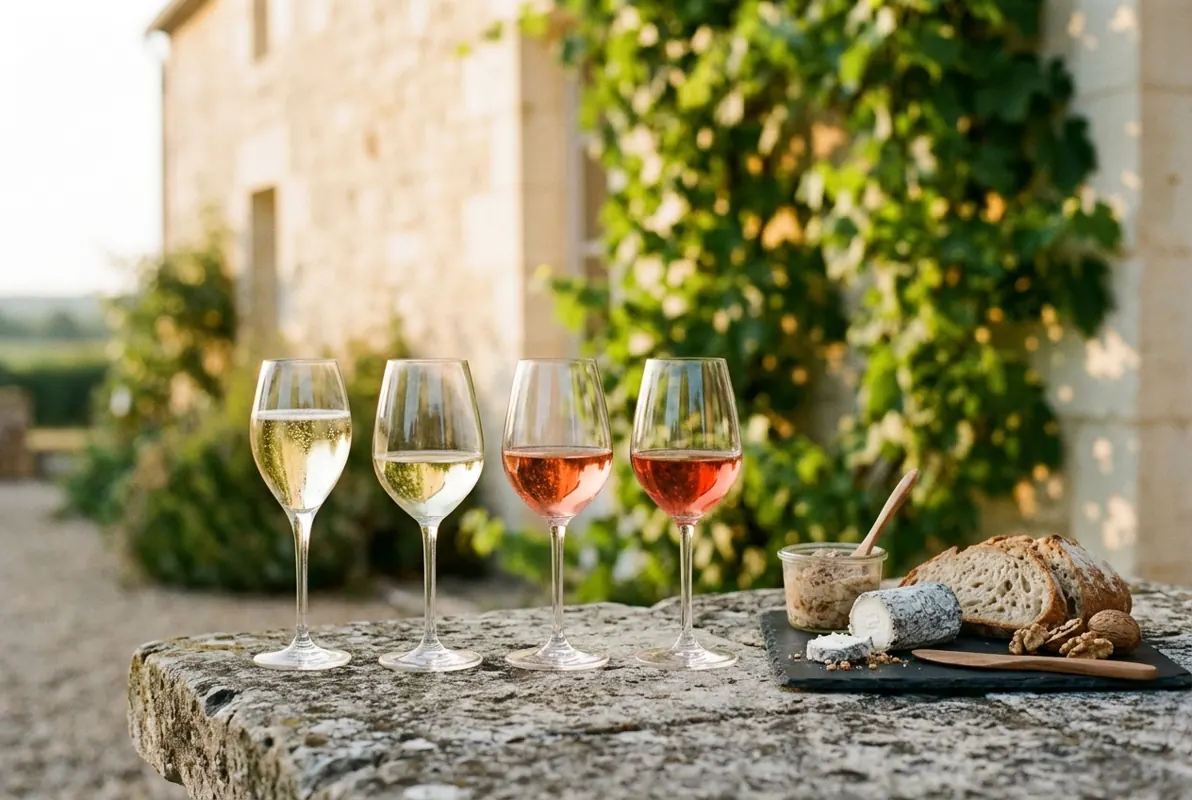
The French have a word for the hour before dinner, and the Loire Valley has quietly been preparing for it for centuries: the apéro. The question is never whether to pour something, only what, and the river has more answers than most regions.
In short: for the apéro, the Loire offers four families of wine: sparkling (Crémant de Loire, sparkling Vouvray and Montlouis), crisp dry whites (Touraine Sauvignon, Muscadet sur lie, dry Chenin), dry rosé and light reds (Cabernet Franc, Pineau d’Aunis). Serve them chilled, between 6 and 14 °C depending on style, with rillettes, AOP goat cheeses and local charcuterie.
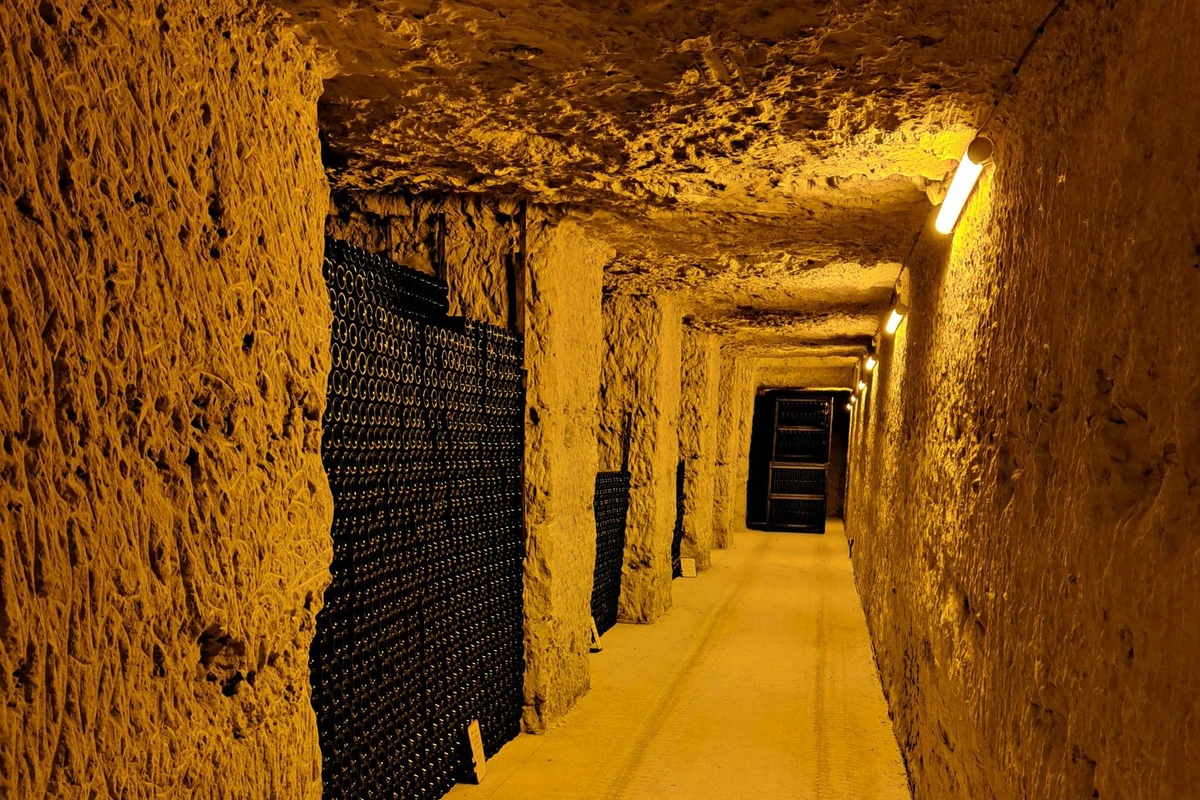
The word “aperitif” comes from the Latin aperire, “to open”, and originally described whatever opens the appetite. The Loire joined in early, and with bubbles. The Ackerman house, founded in 1811 in Saint-Hilaire-Saint-Florent near Saumur, ranks among the pioneers of sparkling wine in the region, working in tuffeau galleries where the temperature stays steady all year. The Crémant de Loire appellation, recognised in 1975, later gave that tradition a legal framework.
Why is the Loire Valley so good for aperitif wines?
Because an aperitif wine needs freshness, acidity and little residual sugar, and the valley’s temperate climate, tuffeau soils and Chenin Blanc deliver exactly that. A good aperitif wine should make you thirsty, not quench your thirst, which rules out anything heavy or oaky. As systematic tasting standards demonstrate, wine acidity plays a vital mechanical role: it cuts cleanly through the richness and fat of savory bites, wiping the palate clean, while the salt in local foods softens perceived acidity and brings fruit expression to the forefront.
Visitors often picture the French apéro as a fixed ritual: a dry white, a poolside rosé, a flute of something on feast days, and always that friend asking for “something light”. Good news: in the Loire, something light exists, and it even has its own appellation.
The region also offers a rare advantage: a single valley with a full palette, from the Pays Nantais to the Touraine hillsides, from fine bubbles to thirst-quenching reds. You never need to leave the river to change style.
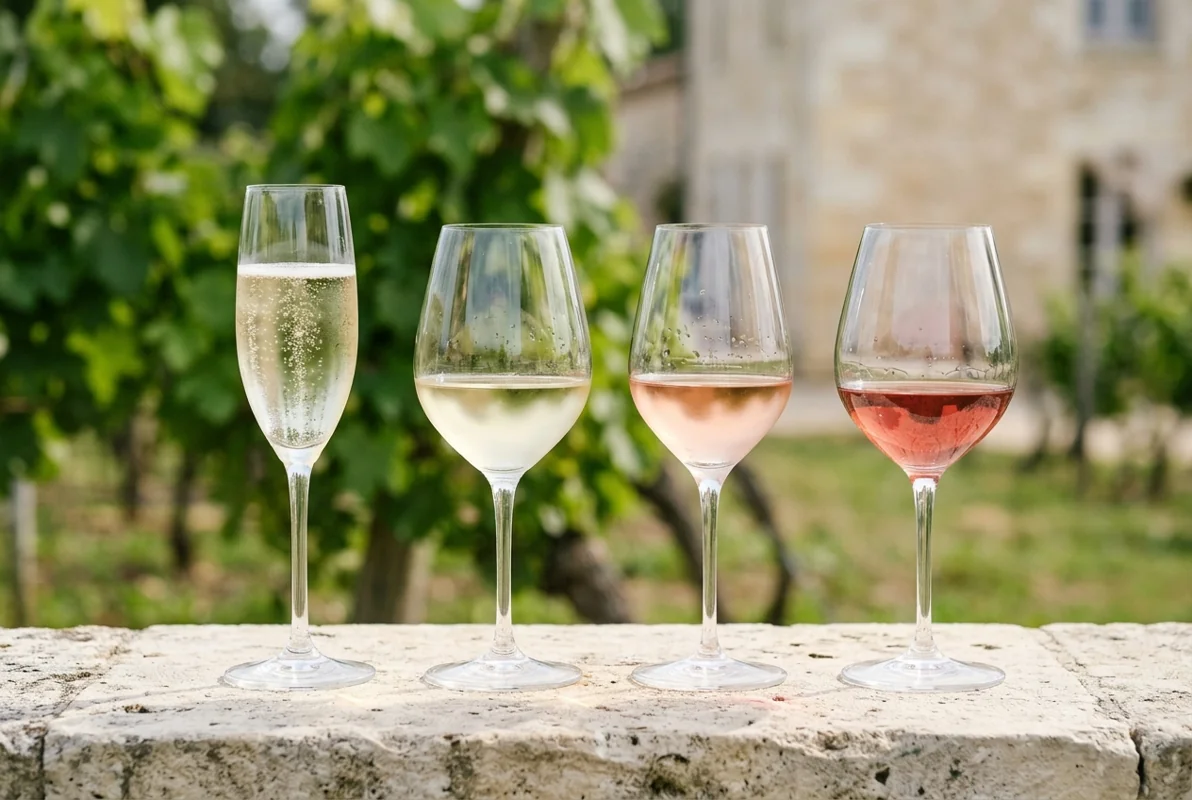
The table follows suit. Rillettes de Tours, rillons, filled Anjou fouées, Sainte-Maure-de-Touraine, Selles-sur-Cher or Valençay: the land has produced, century after century, exactly what these wines need beside them.
Which Loire Valley wines should you choose for an aperitif?
Here are the families that work, from the most festive to the most gourmand. Each fits a moment and a type of guest.
Sparkling: Crémant de Loire, sparkling Vouvray and Montlouis
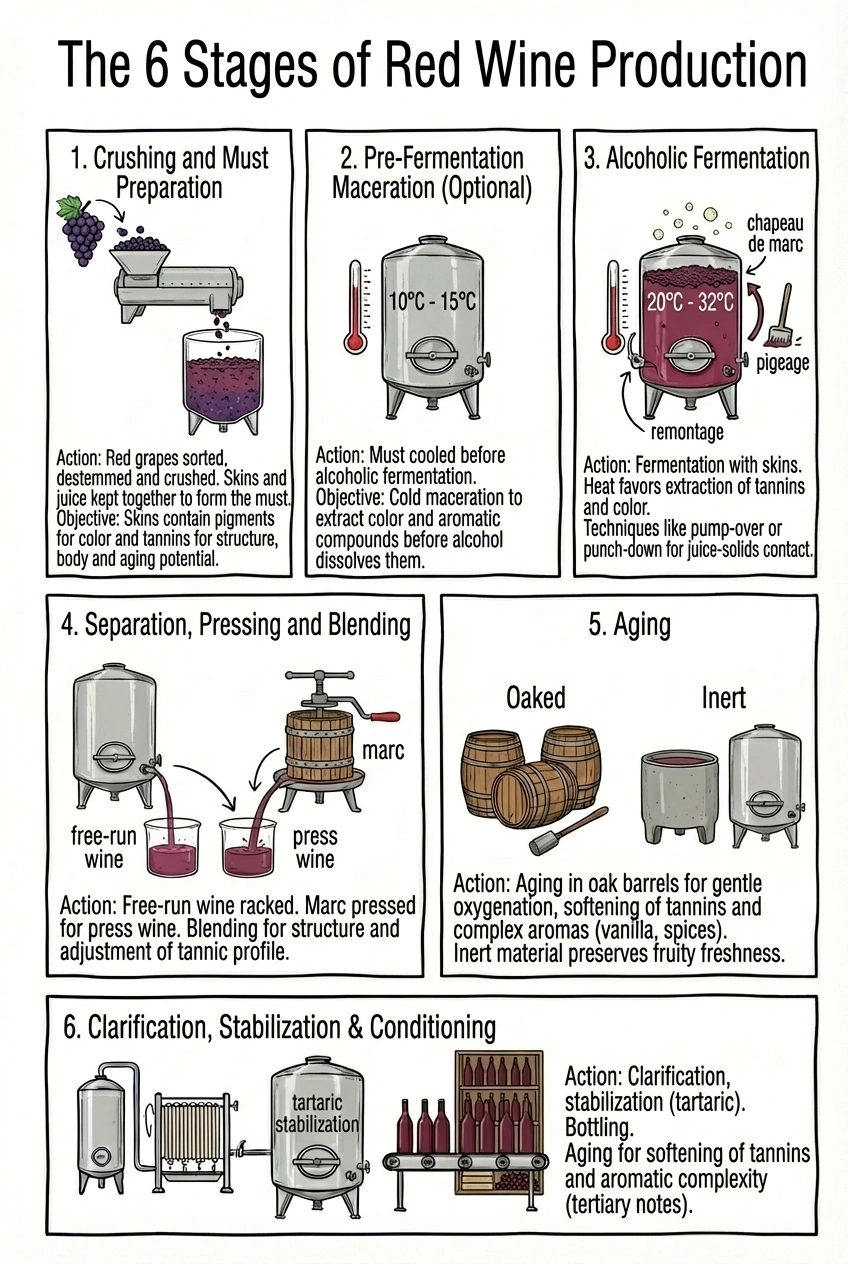
Crémant de Loire is made by the traditional method: the second fermentation takes place in the bottle, with at least nine months on lees. Chenin takes the lead, sometimes joined by Chardonnay, Cabernet Franc or Pineau d’Aunis. In the glass, look for apple, quince, brioche and a straight, refreshing finish. To understand what happens in the cellar, our guide to French Loire sparkling wine production walks through each step.
The Vouvray and Montlouis-sur-Loire appellations also make sparkling Chenin. Estates such as Domaine Huet in Vouvray or Domaine Vigneau Chevreau let you taste Chenin in bubbles, tighter and more mineral than most people expect.
For service, 6 to 8 °C is enough. Colder and the bubbles lose their aromas; warmer and they turn heavy, with aggressive gas. A handy sommelier rule: if chilling your bottle in an ice bucket, always fill it with equal parts cold water and ice cubes rather than ice alone. Ice water surrounds the glass surface completely, chilling the wine twice as fast and evenly.
A quantity tip: a 75 cl bottle gives about six 12 cl glasses. For an aperitif, count two to three glasses per person, so one bottle for two or three guests.
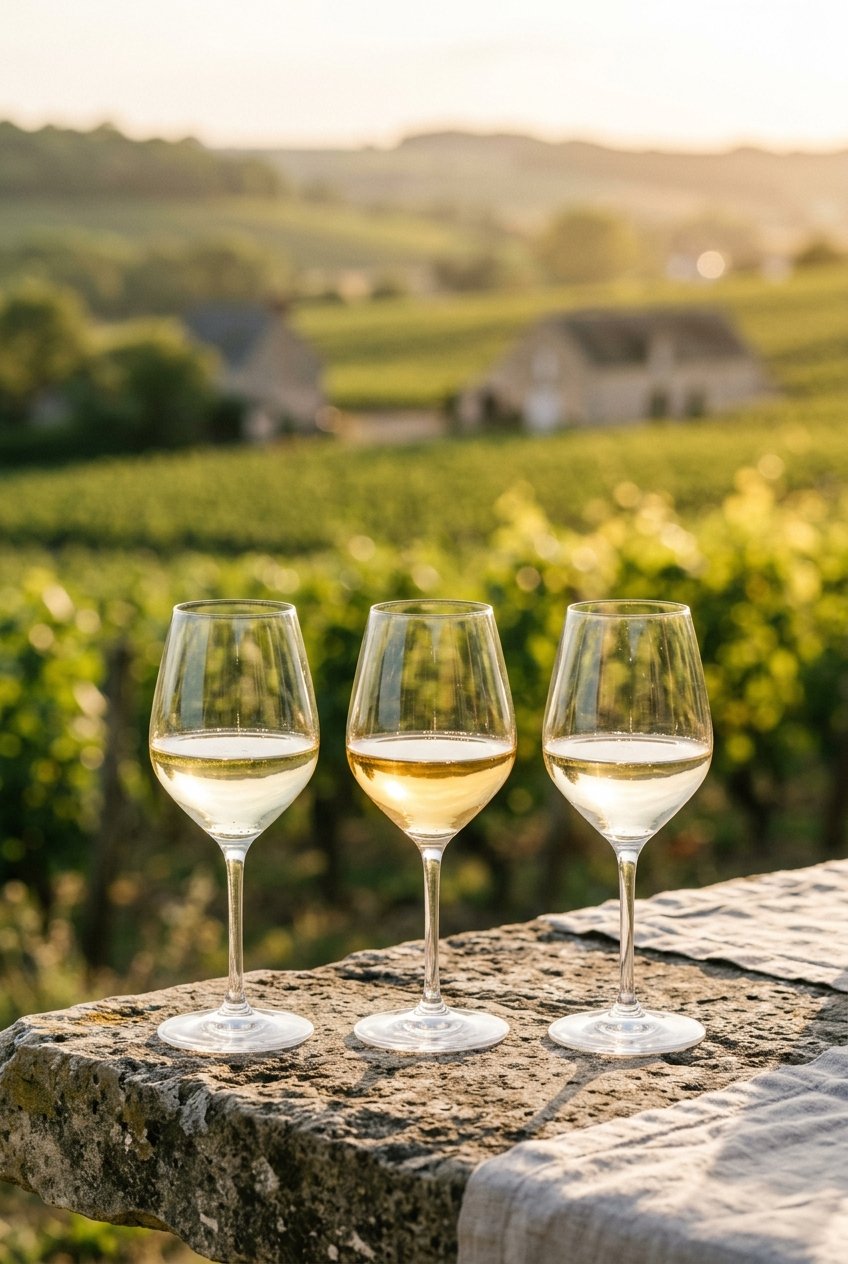
Crisp dry whites: Touraine Sauvignon, Muscadet, dry Chenin
Touraine Sauvignon is the natural partner of goat cheese boards: citrus, boxwood, grapefruit and a freshness that cuts through creaminess.
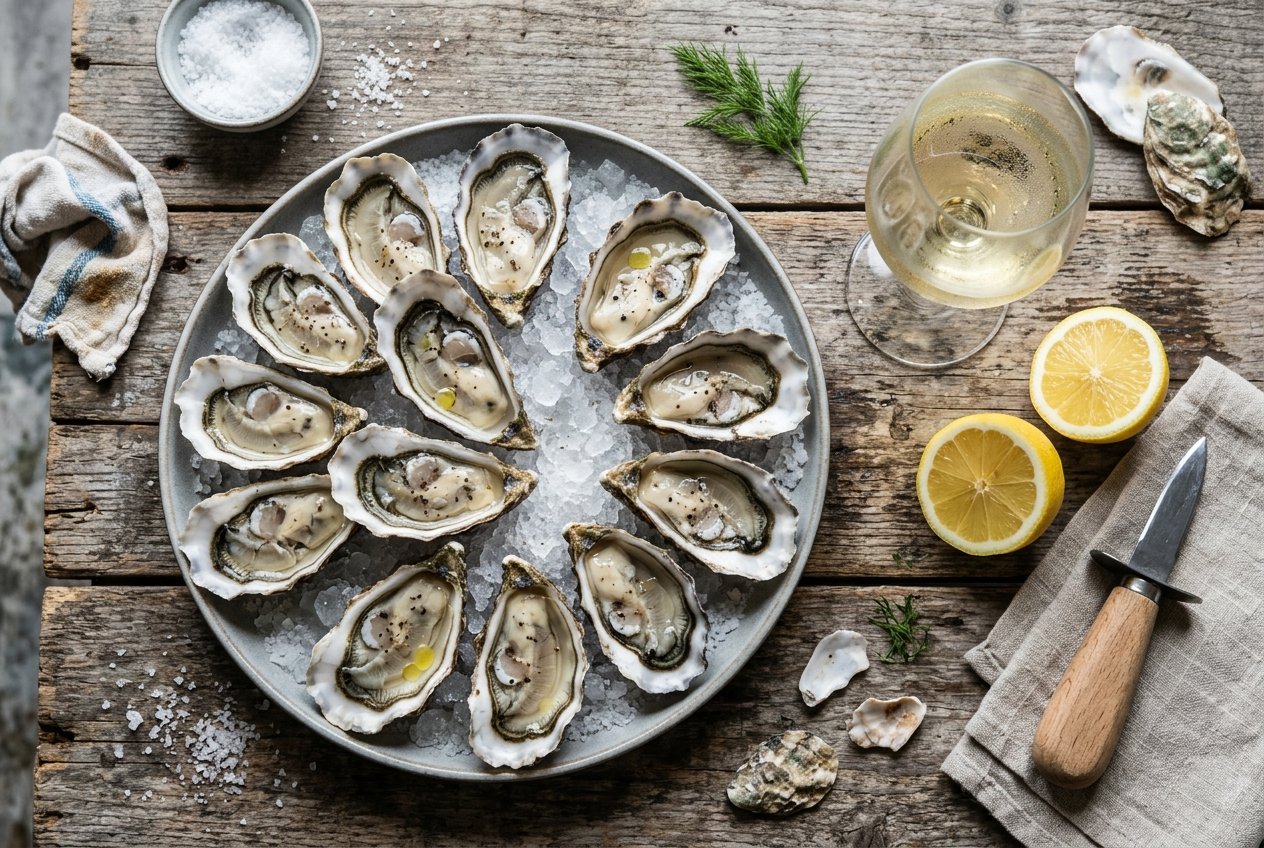
Muscadet Sèvre-et-Maine sur lie, made from Melon de Bourgogne, plays the saline card: oysters, prawns, fish rillettes. Served around 8 to 10 °C, it carries a seafood aperitif without effort.
Dry Chenin (Anjou blanc, dry Vouvray) is a class apart: more substance, more roundness, notes of apple, quince and beeswax. It suits fine charcuterie and pressed-curd cheeses at 10 to 12 °C. Our ultimate guide to Chenin Blanc helps you spot the styles.

One detail that matters: pick a white from the current or previous vintage for the aperitif. Keep the great ageing bottles for another moment, at the table, when you have time to listen to them.
Partner offer

Sip the Loire’s Finest.
🇺🇸 USA shipping only
Dry rosé and light reds
A dry Loire rosé, based on Grolleau or Cabernet Franc, is happy beside rillettes, crunchy vegetables and cumin or tapenade dips. Serve it between 8 and 10 °C.
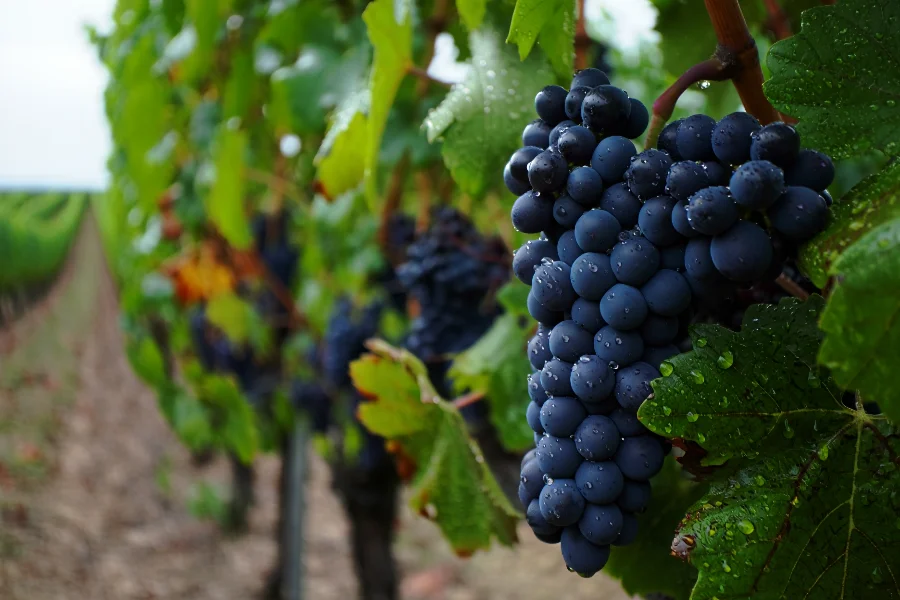
And reds? Yes, as long as you pick them light: Touraine Cabernet Franc, young Chinon or Bourgueil from sand and gravel soils, peppery Pineau d’Aunis. A Chinon from the plain, such as those from Domaine Charles Joguet is best around 13 to 14 °C, lightly chilled. To decide between charm and structure, see our guide to choosing a Loire red.
Red works best for autumn and winter dinner-style aperitifs, when rillons and country bread become the meal.
Which pairings work with each Loire aperitif wine?
The table below sums up the most reliable pairings, with the suggested serving temperature. It will not replace your own taste, but it avoids false notes.
| Loire Wine | Serving Temp | Recommended Apéro Pairings |
|---|---|---|
| Crémant de Loire brut | 6 to 8 °C | Rillettes de Tours, warm rillons, filled fouées |
| Sparkling Vouvray or Montlouis | 6 to 8 °C | Fresh goat cheese, walnut halves, thin pear slices |
| Muscadet Sèvre-et-Maine sur lie | 8 to 10 °C | Fresh oysters, grey prawns, river fish rillettes |
| Touraine Sauvignon | 9 to 11 °C | Sainte-Maure-de-Touraine, Selles-sur-Cher, semi-aged goat log |
| Dry Chenin (Anjou, dry Vouvray) | 10 to 12 °C | Artisanal cured meats, farmhouse pressed-curd cheeses |
| Dry Loire rosé | 8 to 10 °C | Crunchy garden crudités, black olive tapenade, rillettes |
| Light red (Chinon, Bourgueil, Pineau d’Aunis) | 13 to 14 °C | Dry cured sausage, golden rillons, mature ash goat cheese |
One simple rule to never get it wrong: the fattier or saltier the nibbles, the livelier and fresher the wine should be. Bubbles and Sauvignon are the two safest allies on that front.
And for those who like numbers, remember that temperature does more for a successful aperitif than the price of the bottle: a modest wine served at the right temperature almost always beats a great wine served lukewarm.
“To invite someone is to take charge of their happiness for as long as they are under our roof.” – Jean Anthelme Brillat-Savarin, The Physiology of Taste (1825)
Which bottle should you open first to be sure?
If you could open only one bottle to welcome your guests, choose a Chenin sparkler without hesitation. Whether an extra-brut Crémant de Loire or a traditional sparkling Vouvray crafted at Domaine Huet or Domaine Vigneau Chevreau, fine bubbles set a welcoming, celebratory tone. Their crisp natural acidity refreshes the palate right away without overwhelming it, cutting cleanly through salty crackers and rich rillettes. It remains the ultimate versatile crowd-pleaser before moving on to the rest of the cellar.
|
To go further, taste these wines at the estate: a cellar visit is often the best way to refine your choice, and the Divine Loire app helps you find winemakers near you.
Wineries mentioned in this article

Domaine Huet

Domaine Vigneau Chevreau