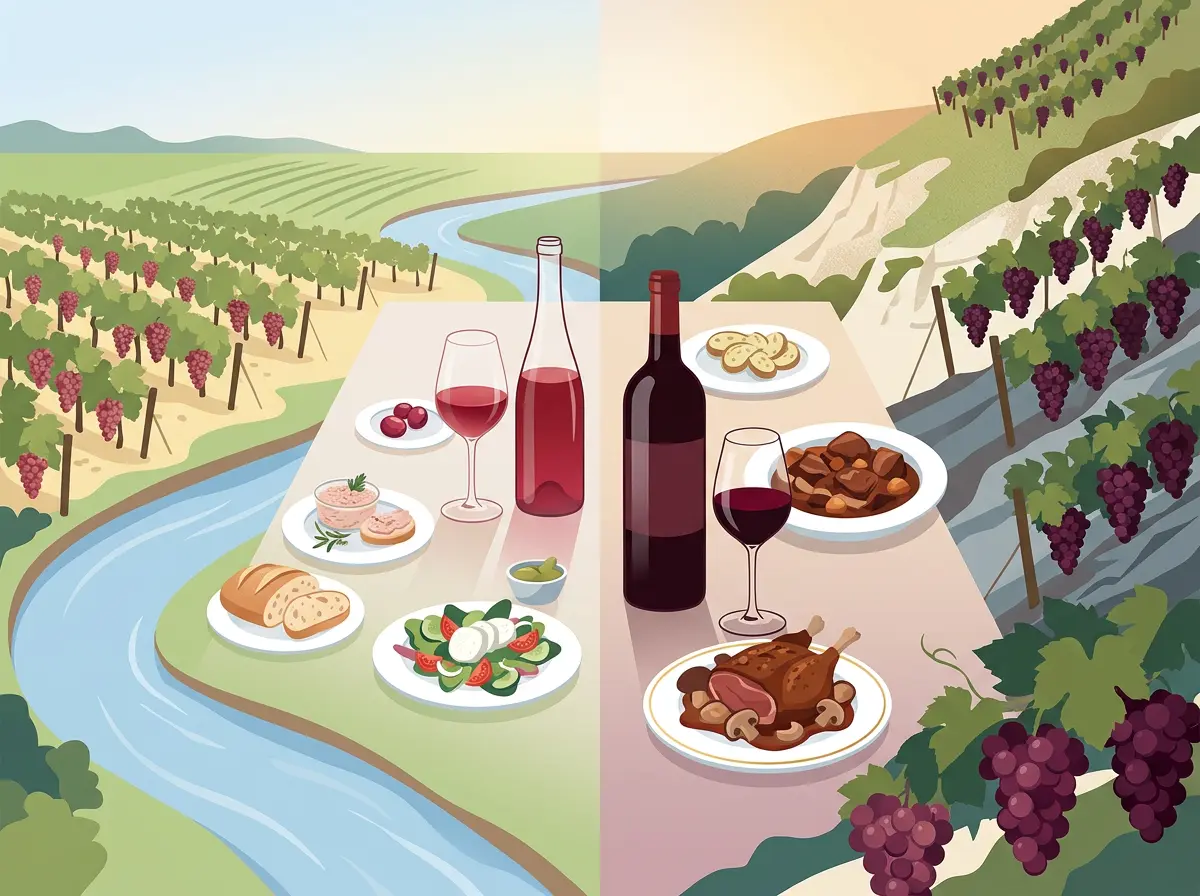
There are two kinds of Loire red wine drinkers: those who’ve already ordered a bottle way too big for a warm goat cheese salad… and those it will happen to tomorrow. Between juicy cuvées to drink slightly chilled and more structured wines dreaming of a slow‑cooked dish, the Loire plays the whole keyboard. The issue isn’t the offer. It’s knowing what you really have in your glass.
How to choose Loire red: a matter of style (and context)
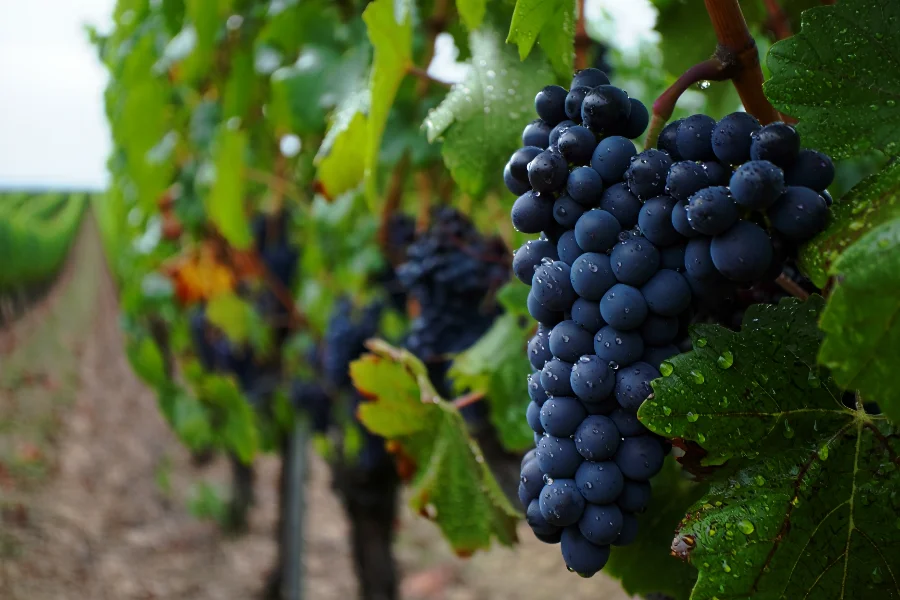
In the valley, people like to say that cabernet franc wears a suit well: it adapts. On the warm gravel of Chinon, it can give straight‑laced, serious wines with that note of ripe bell pepper and black fruit that promises a certain grip on the palate. On the sandy soils of Saint‑Nicolas‑de‑Bourgueil, it becomes softer, more talkative, all red fruit and pure pleasure.
“No one can truly love wine if he doesn’t know what wine he’s drinking.” – Auguste Escoffier
To choose, the right question isn’t “light or big?” but “when, with whom, and with what am I drinking it?” A sunny May lunch, patio, rillettes and rambling conversation doesn’t call for the same Loire red wine as a slow‑braised lamb stew on a November night.

If you dream of a Loire red wine with real depth, shoulders, and sometimes a few tannins to tame, look to well‑exposed parcels and sunny vintages. In Chinon, some estates work old vines on limestone or clay‑silica slopes, with low yields and barrel aging. The result: darker wines, with aromas of black fruit, blond tobacco, sometimes violet, and a broad, mouth‑filling palate.
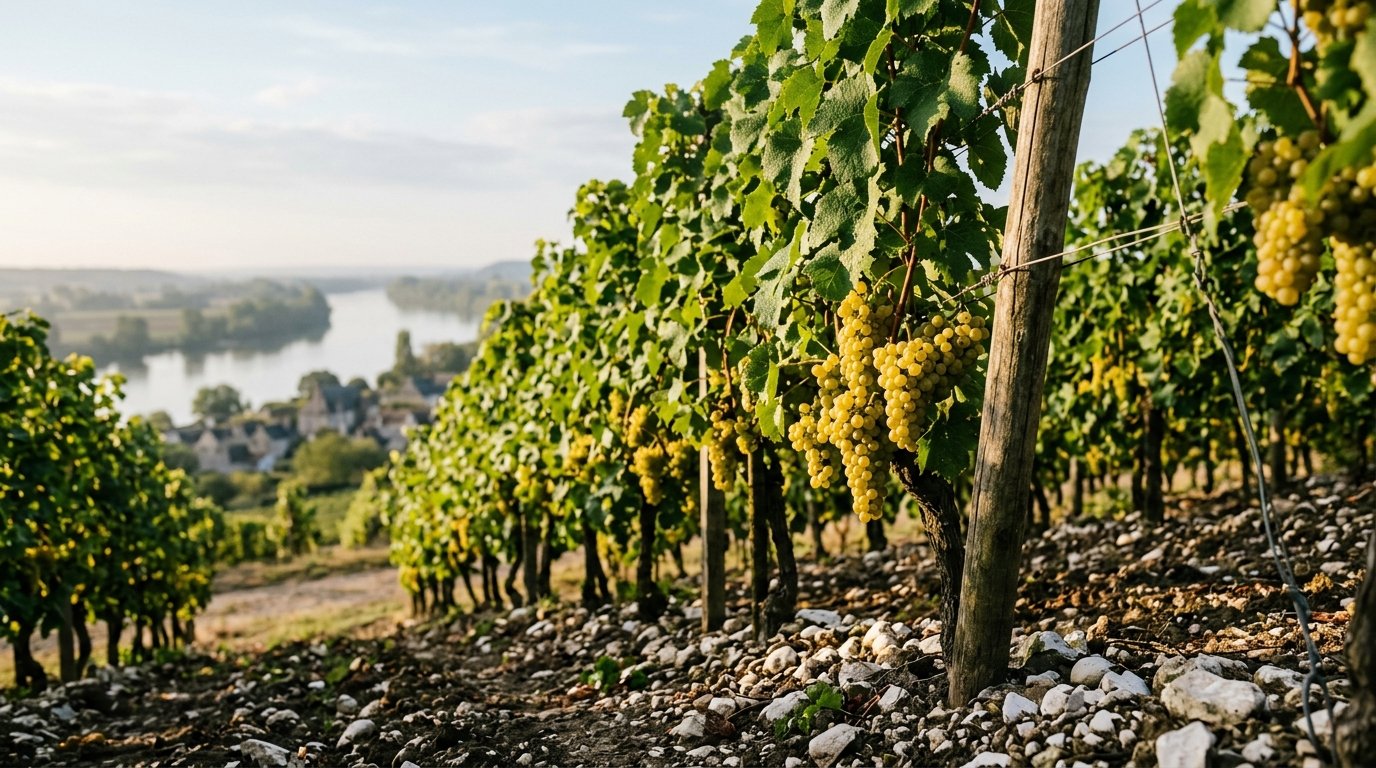
Here, terroir plays a very concrete role. The tuffeau (soft limestone) soils of the south bank, for example, hold heat and allow cabernet franc to ripen more fully. With careful destemming and longer macerations, you get a tighter, more structured texture, tailor‑made for a rib‑eye steak, game, or a slow‑braised beef stew that only borrows its name from Burgundy.
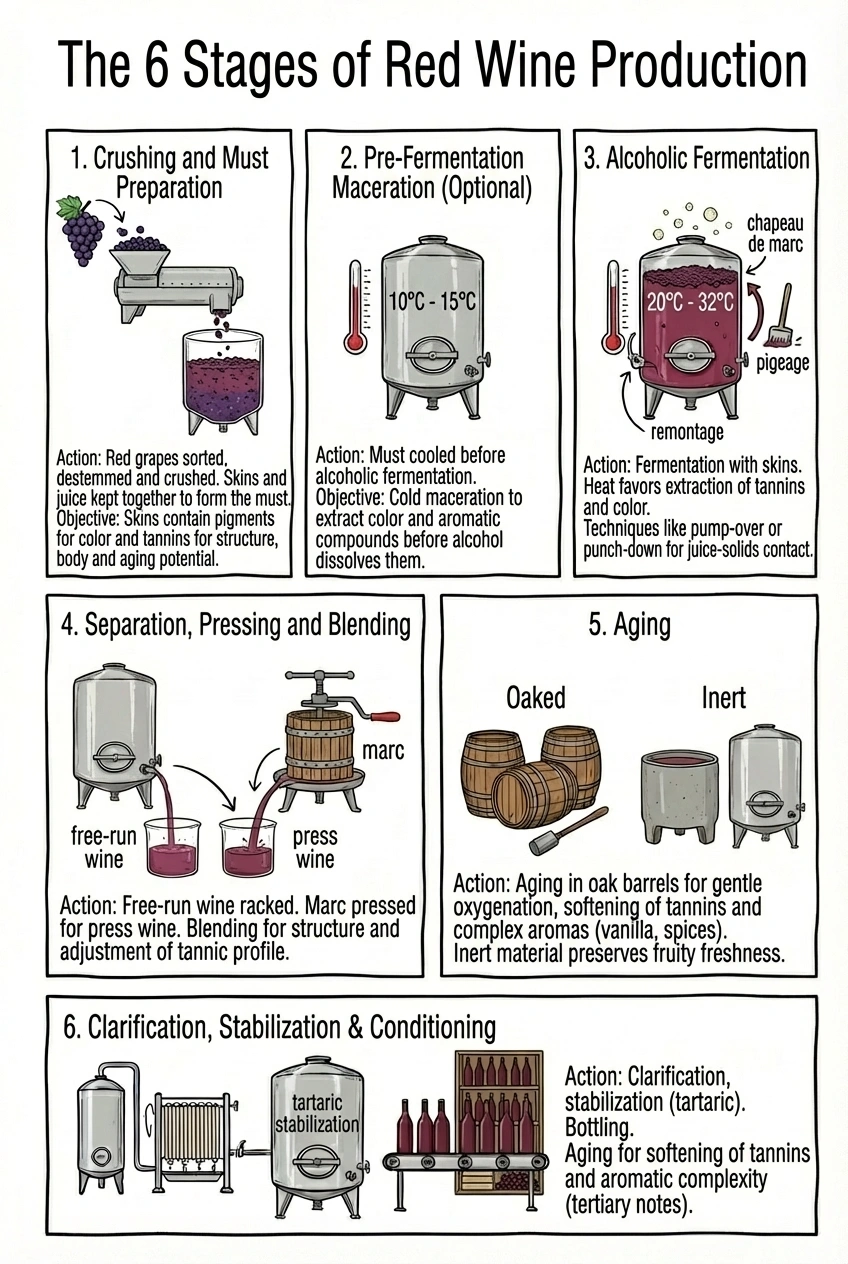
You’ll find the same ambition in certain cuvées from Bourgueil, especially on the warmer “gravel” parcels or the clay‑limestone slopes above the Loire. There, winemakers can push ripeness a bit further, aiming for a denser texture, with 12 to 18 months of aging in barrels or large foudres. It’s still Loire red, so there’s always a thread of freshness, but the wine gains volume, length, and aging potential.
At the table, this kind of Loire red pairs beautifully with a herb‑crusted rack of lamb, duck with warm spices, or even a simple steak‑and‑potatoes dinner, as long as the cooking is done right. The idea: food that deserves to be taken seriously, without turning into a formal ceremony.

Partner offer

Perfect Wine Picnics.
With smart cooler bags!
Over in Anjou, you’ll also find firmly structured reds, especially when cabernet franc is blended with a touch of cabernet sauvignon. The slightly more oceanic climate, dark schist soils, and the growing shift to organic and biodynamic farming all contribute to wines that are both solid and vibrant. When grapes are hand‑sorted by parcel and fermentation is carefully controlled at low temperatures, you preserve precise fruit while gaining structure.
The other face of Loire red wine: freshness, fruit, drinkability
On the opposite end of the spectrum, the Loire has a rare talent for juicy, crunchy reds that don’t mind a light chill. Appellations like Saint‑Nicolas‑de‑Bourgueil, certain parts of Saumur, or “sand‑grown” cuvées from Chinon offer wines dominated by cherry, raspberry, sometimes a floral note, with fine, gentle tannins.
Technically, this style often comes from shorter macerations, slightly earlier harvest dates, and aging in concrete or stainless‑steel tanks, without oak, to keep the fruit pure. You’ll also see, in this Loire red wine profile, a few experimental cuvées inspired by carbonic maceration like in Beaujolais: whole clusters, intracellular fermentation, aromatic fireworks. It’s not the majority, but it exists—and it’s seriously fun to drink.
Stereotypes stick to these wines: “simple quaffing reds”, “bar wines”—you hear it all. Yet, when you choose well, they shine exactly where many louder reds fail: as an aperitif with charcuterie, alongside vegetable‑driven cooking, with roast chicken, a savory tart, or a goat cheese platter.

They bring to mind the long, deceptively simple shots of Clint Eastwood behind the camera: everything looks pared‑back, but every detail matters. A good “light” Loire red wine is just that—apparent simplicity hiding precise work in the vineyard, from winter pruning to the exact harvest date.
Finding your way in practice: labels, appellations, sensations
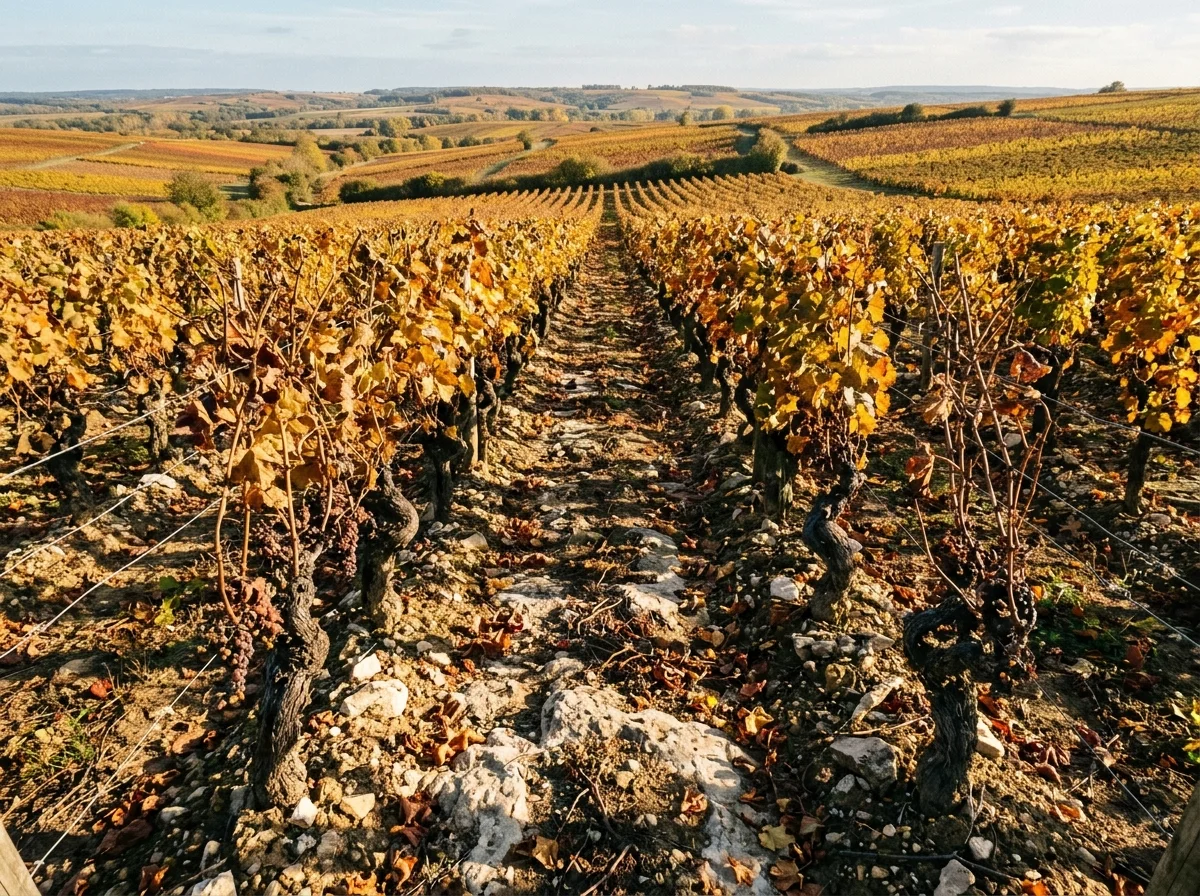
Out in the vines between two rows in Bourgueil, a grower once summed it up for me like this: “If you want a red to talk over, look to the flat parcel. If you want a red to go quiet and eat with, look to the hillside.” A bit of an oversimplification—but not wrong.
To keep it simple when you choose a bottle of Loire red:
- On labels, look for mentions of “vieilles vignes” (old vines), named parcels, slopes, and barrel aging. They often signal a more structured style, made for food and for aging.
- Cuvées with playful names, colorful labels, and no mention of oak are often in a more fruit‑driven, immediate, Loire red wine style—built for pure, carefree pleasure.
- As for vintages, warmer years (2018, 2019, 2020 in the region) tend to give more body and ripeness. Cooler years favor tension and bright, high‑definition fruit.
A concrete example to illustrate how to choose Loire red: a limestone‑slope cuvée from Chinon, from old vines, picked at full ripeness, fermented in tanks then aged 12 months in used barrels, will give a deep red with polished tannins—perfect with roast beef or roast squab. By contrast, a cabernet franc grown on sandy soils, harvested a bit earlier and vinified only in stainless steel, with no oak, will offer a crunchy, joyful Loire red wine, ideal slightly chilled with rillettes or a vegetable quiche.
In the end, the Loire never forces you to pick a side. It offers, fine‑tunes, adjusts. It’s up to you to choose Loire red according to the season, your mood, and what’s on the table. And if you feel like going further, simply explore a selection of cuvées and come taste a few on site: Loire red wine truly reveals itself when your feet are in the vines and your glass is right in front of you.