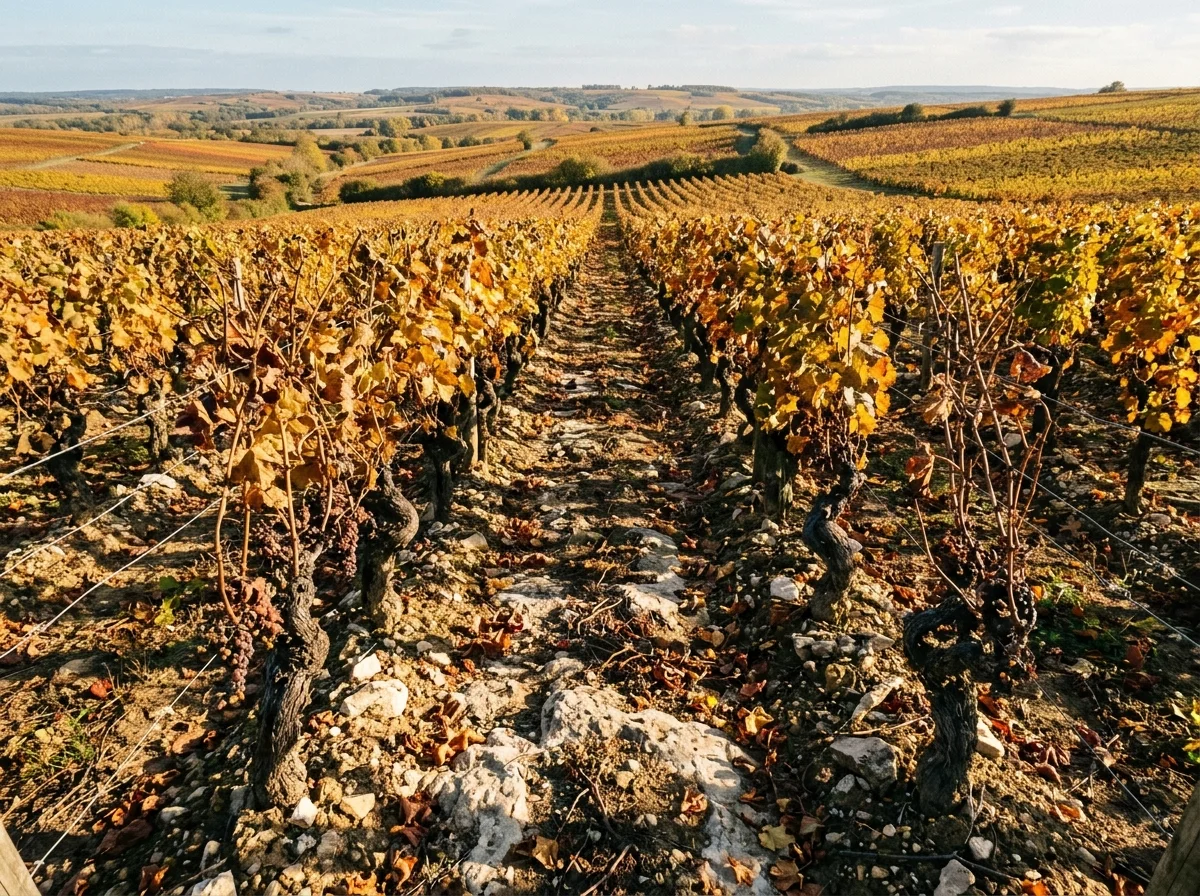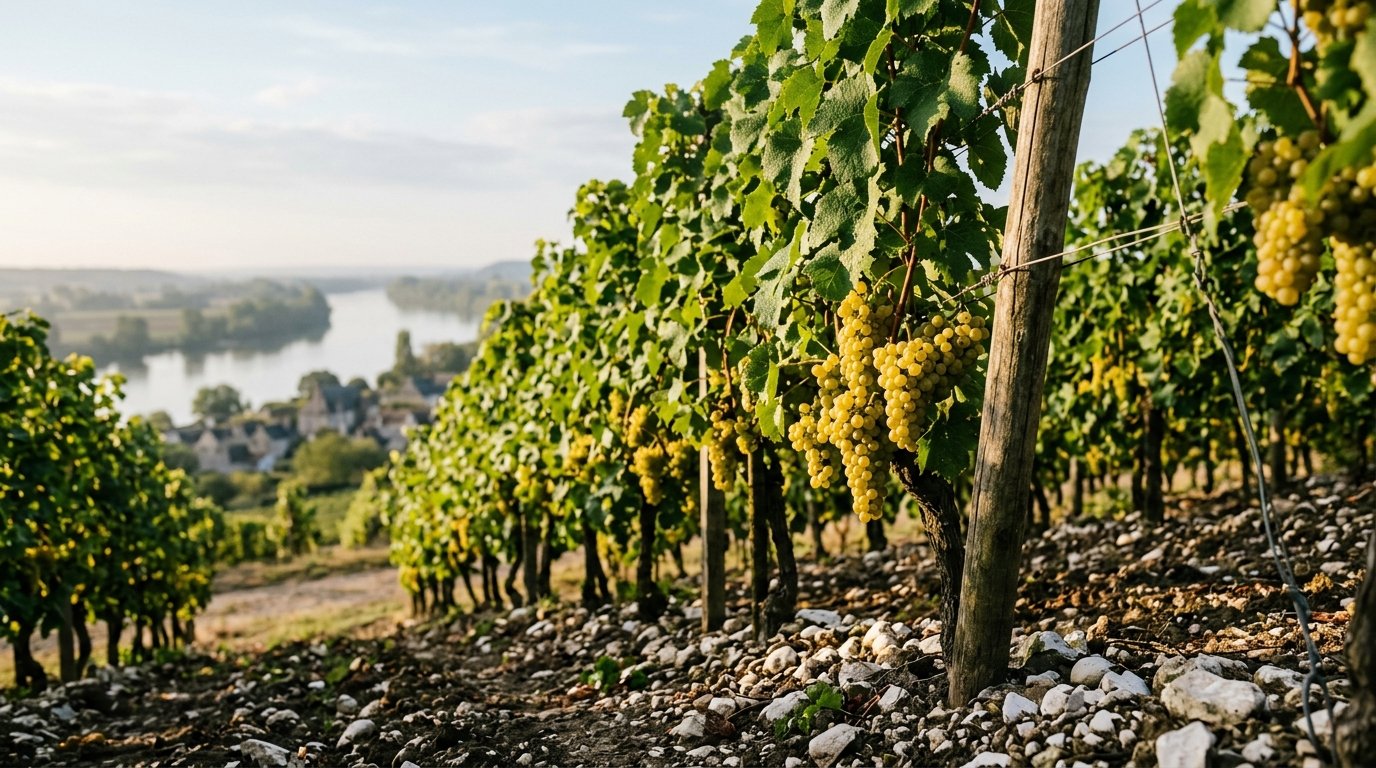
To travel across the Loire Valley without exploring its family cellars is like visiting a grand Renaissance palace while keeping every door firmly locked: you admire the majestic limestone facade, but you miss the living pulse of the terroir. Located barely seventy minutes from Paris by high-speed rail, this UNESCO World Heritage river corridor represents the greatest continuous vineyard landscape in northern Europe. Yet beneath the postcard romance of turreted royal châteaux lies a complex geological patchwork of porous Turonian tuffeau, flinty clays, and gravel terraces shaped by five centuries of winegrowing tradition.
When King Francis I invited Leonardo da Vinci [the Italian polymath who spent his final three years at Château du Clos Lucé in Amboise] to Touraine in 1516, the royal court was already drinking barrels matured in subterranean stone quarries. Today, more than two hundred independent artisan domains uphold this legacy with low-intervention viticulture. Here is an authentic, step-by-step 3-day itinerary designed for curious travelers who wish to experience the valley through the lens of history, gastronomy, and cellar wisdom.
Day 1: Touraine and Vouvray – Royal Terraces and the Architecture of Chenin Blanc
Morning Logistics (08:30 – 11:30 AM): Board the early morning TGV from Paris Montparnasse directly to Saint-Pierre-des-Corps (1 hour 10 minutes) and collect your rental car at the station. Drive fifteen minutes east along the southern bank of the Loire towards Amboise. Begin your morning at the royal Château d’Amboise, perched on a defensive limestone promontory overlooking the river. Stroll past the Gothic chapel containing Da Vinci’s tomb, then follow the footpath up to Clos Lucé to observe the original Renaissance gardens and watermills.
By 11:00 AM, cross the Loire stone bridge onto the northern bank towards the chalky valleys of Vouvray. Here, on south-facing slopes carved by ancient tributary streams, Chenin Blanc (known historically across the region as Pineau de la Loire) translates deep clay-limestone soils into wines of razor-sharp tension and aristocratic longevity.
Afternoon Tasting at Domaine Huet (11:30 AM – 01:00 PM): At Domaine Huet, founded in 1928 by Gaston Huet and converted 100% to biodynamics in 1990 under Noël Pinguet, you discover the singular purity of three historical lieux-dits. Le Haut-Lieu rests on deep heavy clays giving generous orchard fruit; Le Mont features green clay and flint pebbles delivering smoky minerality; while Clos du Bourg, a walled vineyard dating to the 7th century, sits directly on solid tuffeau bedrock producing formidable cellar potential.
Descending into Huet’s troglodyte galleries carved directly into the chalk cliff provides an immediate drop to a constant 12°C. Large neutral oak foudres host slow, native yeast fermentations without commercial cosmetics, yielding bone-dry Sec, balanced Demi-Sec, and rare noble rot Moelleux.
Midday Halt: Stop in the village of Rochecorbon or along the Amboise riverbanks for a lunch of river pike-perch (sandre) in butter sauce (beurre blanc) alongside a crisp glass of dry Vouvray. In the late afternoon, take a relaxed drive through neighboring Montlouis-sur-Loire on the southern bank to observe how identical chalk subsoils express differing microclimates across the river.

Partner offer

Become a winemaker for a day with Wecandoo!
Great wine workshops in 🇫🇷
Day 2: Chinon and Bourgueil – Medieval Fortresses and Underground Quarries
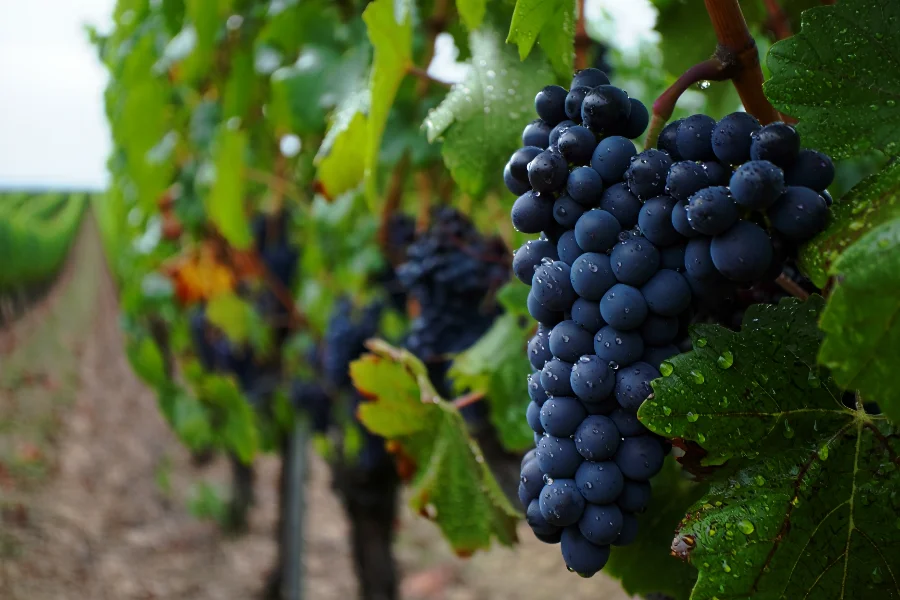
Morning in Medieval Chinon (09:30 AM – 12:30 PM): Drive forty-five minutes southwest across the Indre valley towards Chinon, the medieval fortress city on the Vienne river where Joan of Arc met Charles VII in March 1429. Here the viticultural scenery shifts decisively from white Chenin to aristocratic red Cabernet Franc (baptized locally as Breton in memory of the 17th-century abbot of Saint-Nicolas who selected the first rootstocks).
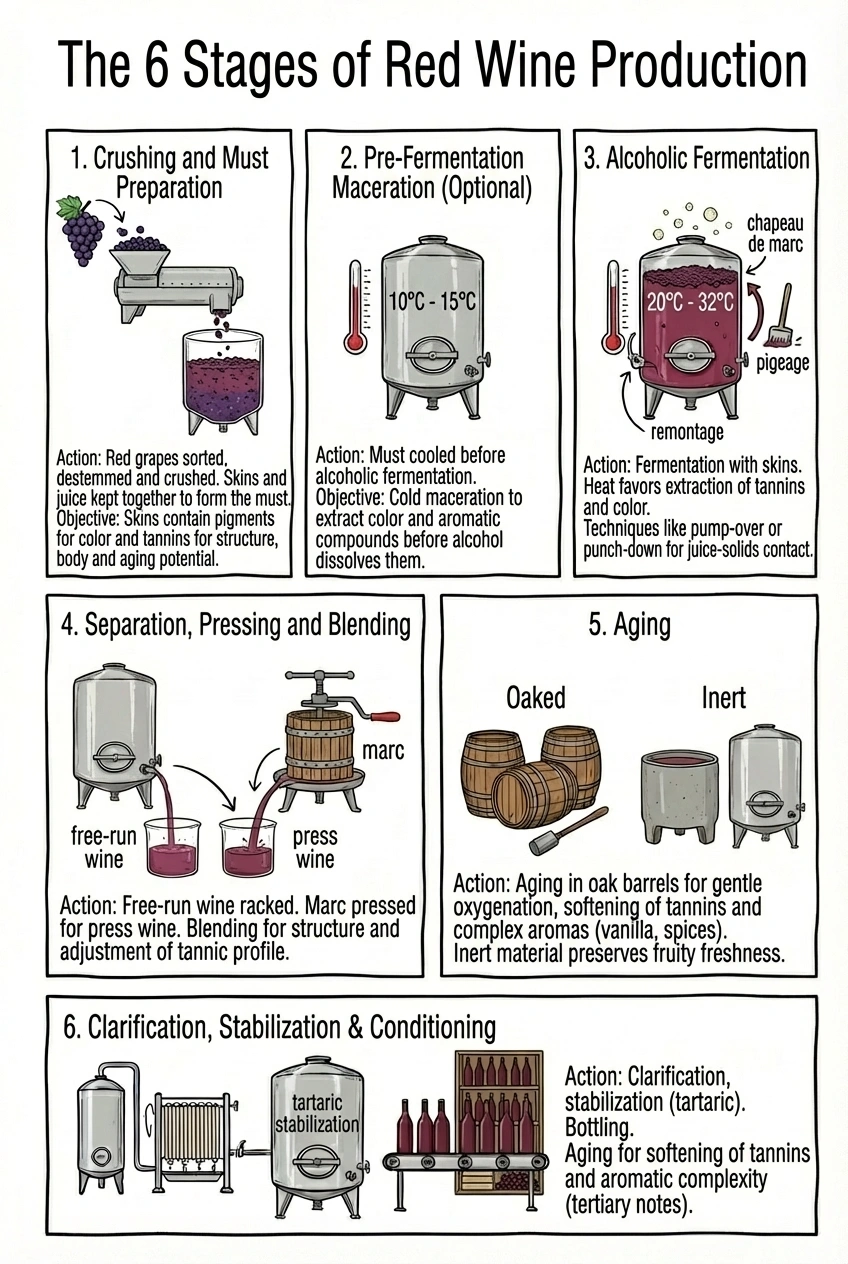
The appellation is governed by a striking geological dualism: the sandy alluvial gravels near the riverbed create supple, fruit-forward reds loaded with fresh raspberry, while the upper Turonian tuffeau limestone cliffs yield muscular wines scented with crushed graphite, violet, and damp earth. Pushing the door of Domaine Couly Dutheil at the foot of the ramparts allows you to taste from the historic Clos de l’Écho, situated directly beneath the fortress walls.
« Wine in the Loire is born from singing stone and slumbers in whispering caves. »
Rabelaisian Midday Table: Book a table in Chinon’s timber-framed medieval quarter. Order warm artisanal pork rillons, crusty wood-fired fouées (traditional hollow sourdough pocket breads filled with rillettes and fresh goat cheese), and an aged slice of Sainte-Maure-de-Touraine PDO goat cheese skewered with its signature rye straw.
Afternoon in Bourgueil & Domaine de la Chevalerie (02:30 – 05:00 PM): Cross the river north to Restigné in the Bourgueil appellation. Here, the Caslot family has farmed the Domaine de la Chevalerie across fourteen generations since 1640. Their extraordinary underground quarry cellars, excavated by stonecutters between the 11th and 13th centuries to build local village churches, span over a full hectare under the vines.
Walking through these silent cathedral galleries lit by soft lantern glow reveals how unhurried aging in damp 12°C chalk softens the firm tannins of old-vine Cabernet Franc into seamless silk. Their single-vineyard bottlings (such as Busardières and Galichets) provide masterclasses in parcel differentiation.
Sunset Secret Lookout: Before driving west, detour to Candes-Saint-Martin, ranked among France’s most beautiful stone villages. Climb to the hilltop panorama behind the collegiate church to watch the golden sunset over the exact confluence where the Vienne empties into the Loire.
Day 3: Saumur and Anjou – Troglodyte Cliffs and the Monastic Heartland
Morning at Fontevraud Abbey (09:30 – 11:30 AM): Begin your final day at the Fontevraud Royal Abbey [the vast 12th-century monastic necropolis], the burial site of the Plantagenet monarchs Eleanor of Aquitaine and her son Richard the Lionheart. The serene white tuffeau cloisters and Romanesque kitchen towers reflect the same limestone bedrock that defines the surrounding Saumur-Champigny appellation.
Panoramic Cliffside Route D947 to Parnay: Follow the cliff road along the southern riverbank through Turquant, a preserved troglodyte craft village where sculptors and leather artisans work inside old quarry caves. The vertical chalk cliffs here are perforated with hundreds of ancient dwellings and cellar entries.
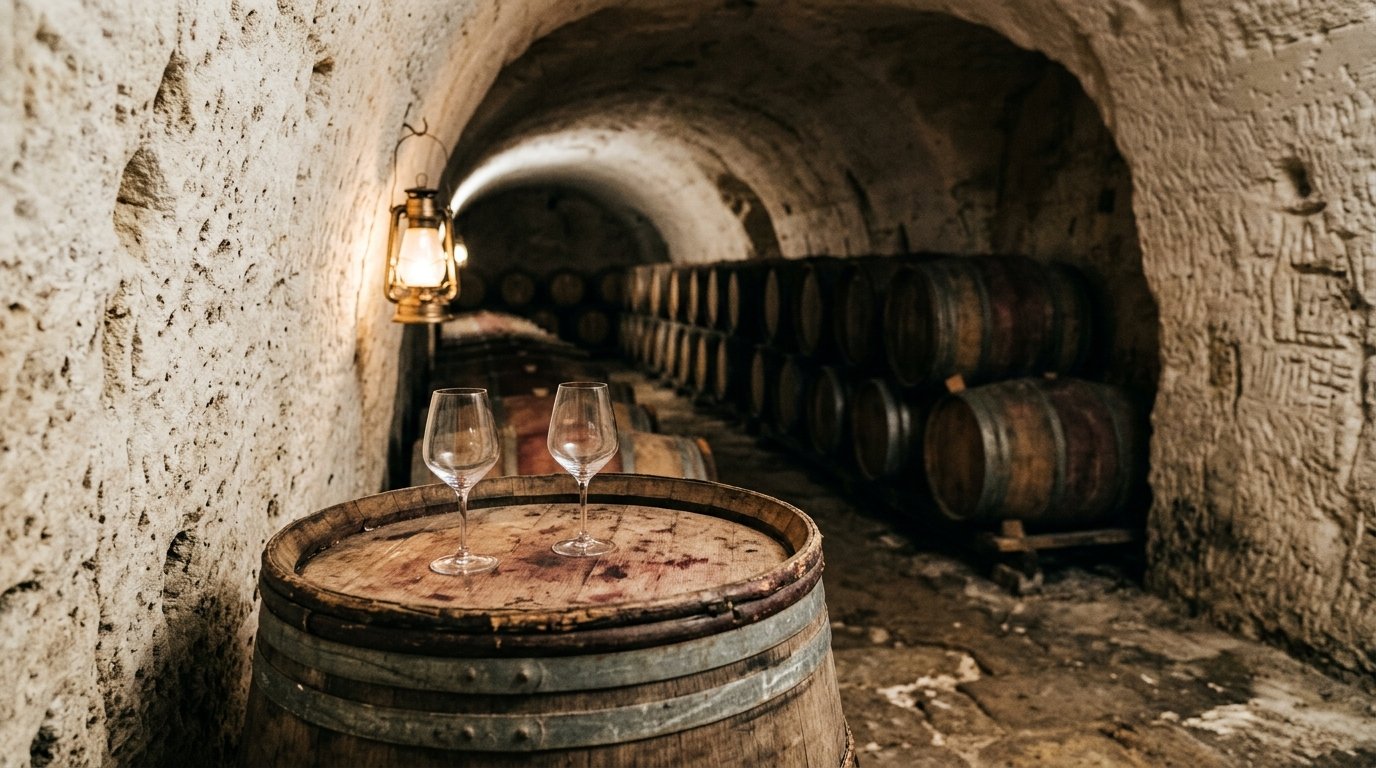
At Château de Targé in Parnay, owned by the Pisani-Ferry family since 1655, step into historical cellars carved straight into the cliff face overlooking the water. Admire a preserved 17th-century wooden screw winepress while tasting organic old-vine Saumur-Champigny and bottle-fermented Crémant de Loire. The natural humidity of the tuffeau prevents evaporation from the casks, preserving crisp fruit and floral elegance.
Final Afternoon in Saumur: Conclude your route in the historic equestrian town of Saumur, gazing up at its fairy-tale castle turreted against the river. Savor an afternoon sparkling wine tasting before driving twenty minutes to Angers or returning your vehicle at Saint-Pierre-des-Corps for the swift return train to Paris.
Practical Trip Essentials: Seasons, Booking, and Etiquette
When to Travel: The optimal months for this route are May through June (blooming vineyards and long daylight hours) and September through October (grape harvest energy and autumnal foliage). In July and August, advance booking is mandatory as domains welcome private travelers by appointment.
Packing Essentials: Because underground troglodyte caves remain fixed at 12°C (53°F) with high humidity, always carry a light wool sweater or jacket even on midsummer afternoons. Wear sturdy flat walking shoes suitable for damp stone floors.
Tasting Etiquette: French artisan growers treat cellar visits as personal hospitality. Greet the winemaker with a polite bonjour, ask thoughtful questions about soil and harvest practices, and spit discreetly during multi-wine flights to maintain your palate. To discover opening schedules, verified contact details, and GPS navigation to over 240 certified wine estates across the Loire Valley, download the Divine Loire mobile app on your device.
Wineries mentioned in this article

Domaine Huet

Domaine Couly Dutheil
Domaine de la Chevalerie