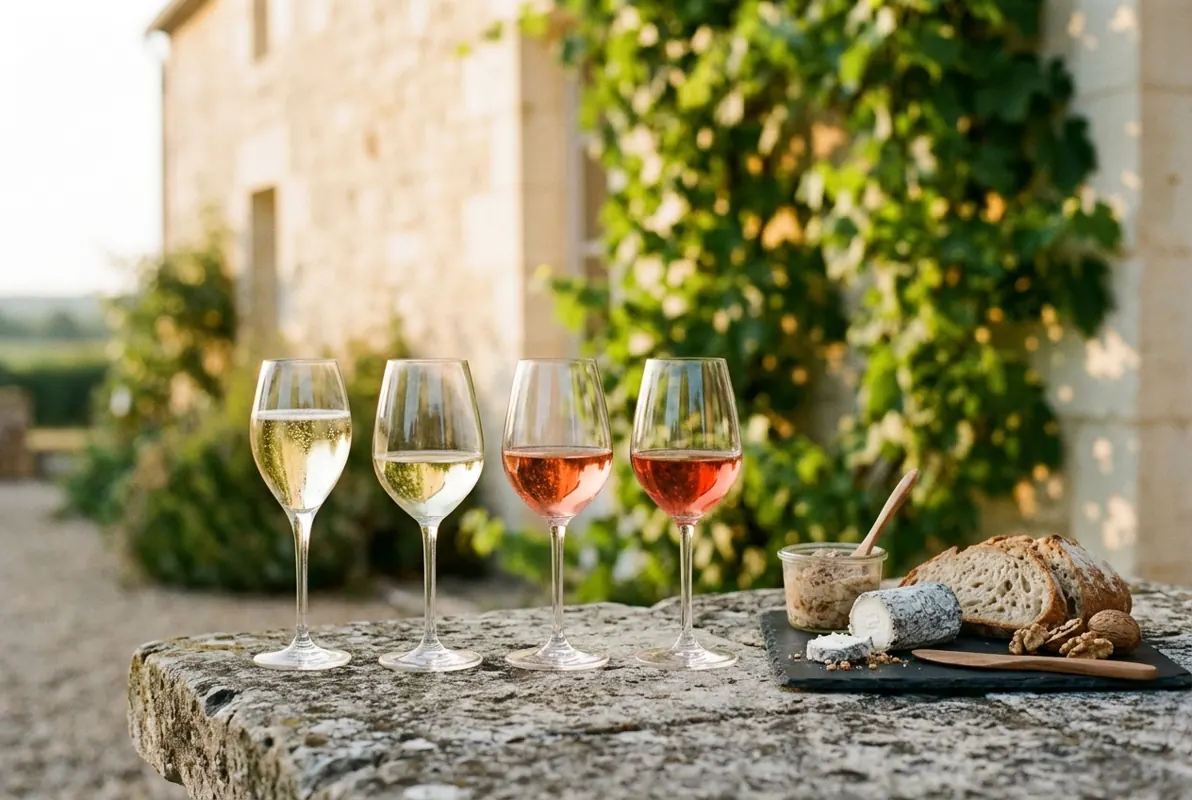
There is a particular kind of wine drinker encountered at a Paris bistro who orders Sancerre on every occasion regardless of what is on the plate, treating it like a compass: total confidence, zero curiosity about the alternatives. The Loire Valley has spent centuries building an entire case against that habit. Three white grapes, three distinct regions, and three different answers to the same fundamental question: what should one drink with dinner along this river?
The answer, depending on which stretch of the Loire you navigate, is either Melon de Bourgogne, Chenin Blanc, or Sauvignon Blanc. These grapes are not interchangeable. They do not share the same personality, the same geology, or even the same relationship with a dining table. Understanding their differences is one of the most rewarding investments a wine lover can make.
History provides compelling context. Foreign visitors sometimes arrive with stubborn preconceptions: Muscadet is remembered as a cheap house white to be ordered when managing the bill; Vouvray baffles people who cannot decide whether it is sweet or dry; and Sancerre is frequently treated as a luxury brand rather than a specific terroir. The Loire regards this with the amused patience of a vineyard that has been crafting refined wines since Gallo-Roman times.
Sancerre: Sauvignon at its most disciplined
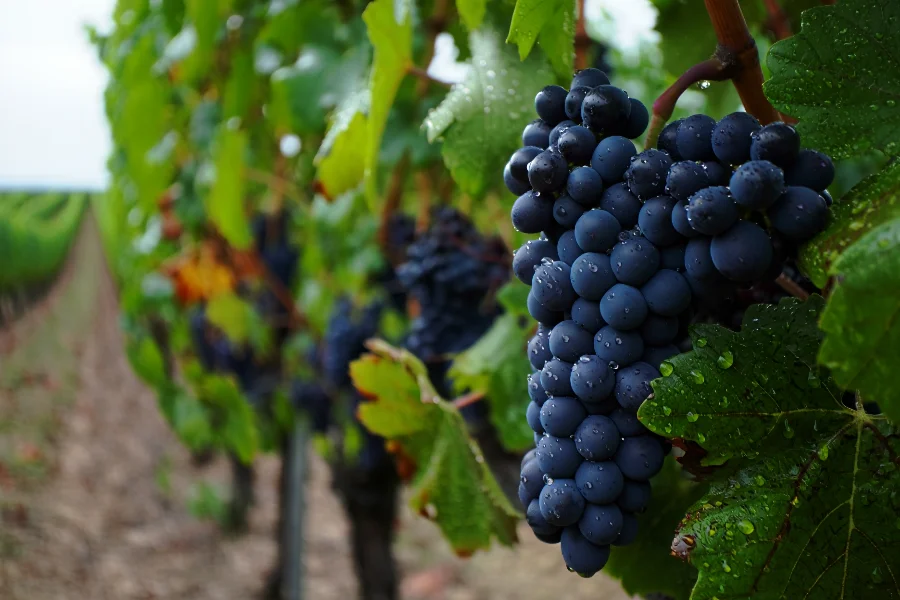
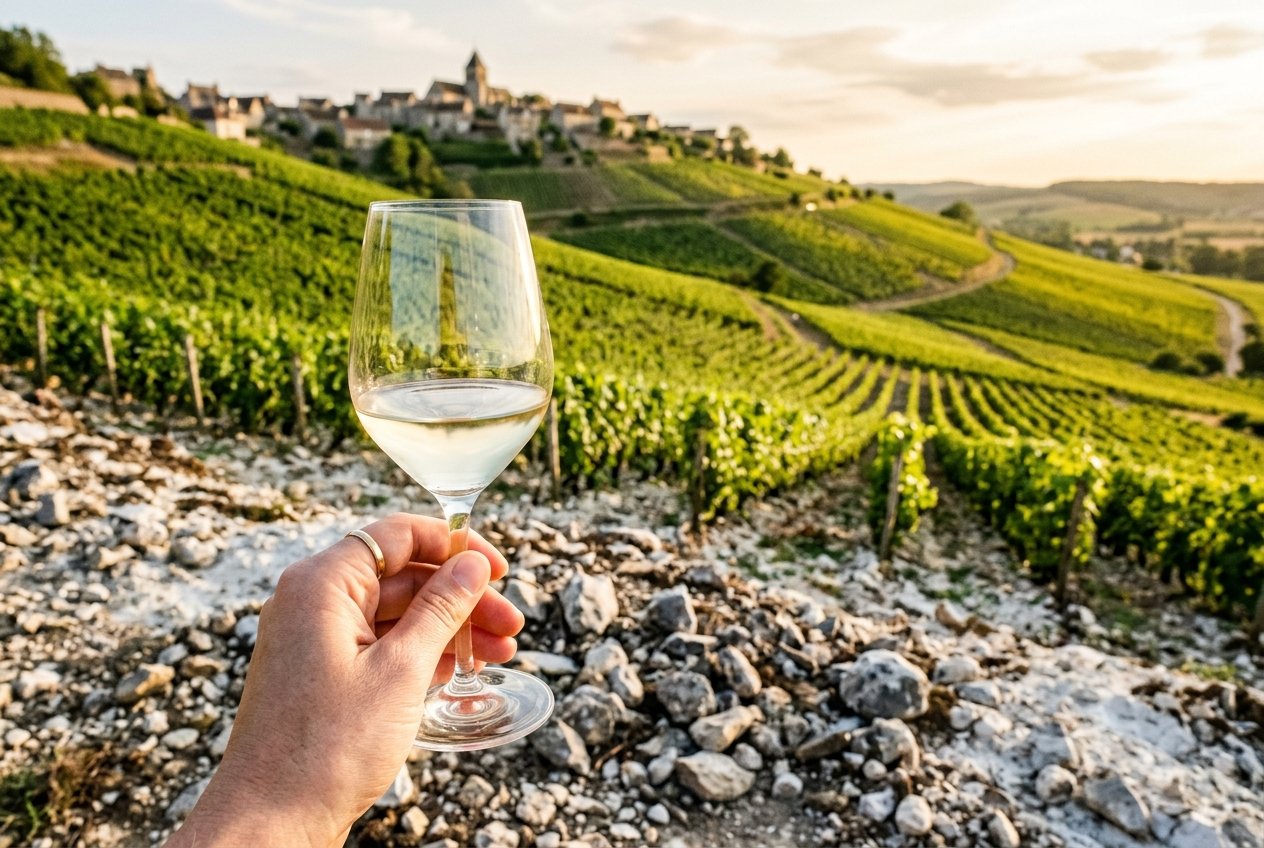
Sancerre sits at the eastern bend of the Loire in the Centre-Loire zone, where the river has carved through deposits of Kimmeridgian marl, limestone caillottes and flint (silex) – sharing a geological kinship with Chablis, just 150 kilometres to the east. The grape is Sauvignon Blanc, and this combination produces vivid aromatic purity: zesty grapefruit, lemon peel, blackcurrant bud and an unmistakable mineral tension. Sancerre avoids tropical heaviness; its flint terroirs deliver an edge often described as pierre à fusil (gunflint). To discover how each soil shapes the glass, our complete guide to Sancerre and its three terroirs details every facet.
Sancerre drinks beautifully between 2 and 5 years of age, though top cuvées from marl hillsides develop complexity over a decade. It has earned worldwide acclaim as the gold standard of mineral Sauvignon Blanc. The classic pairing, celebrated for generations, is with local Crottin de Chavignol goat cheese, explored in depth in our guide to wine pairing with goat cheese.
Vouvray: Chenin Blanc and the question of sweetness
Further west, past Tours, the Loire cuts through Touraine and into the tuffeau country around Vouvray. Here the grape changes entirely: Chenin Blanc, one of the most versatile white varieties in the world. Where Sancerre is linear and aromatic, Vouvray is textured, broad and complex. The soil is white sedimentary Turonian chalk (tuffeau), which acts as a natural water sponge during winter and releases moisture gently during dry summers. For a broader perspective on this variety, our Loire Chenin Blanc guide traces its unique lineage.
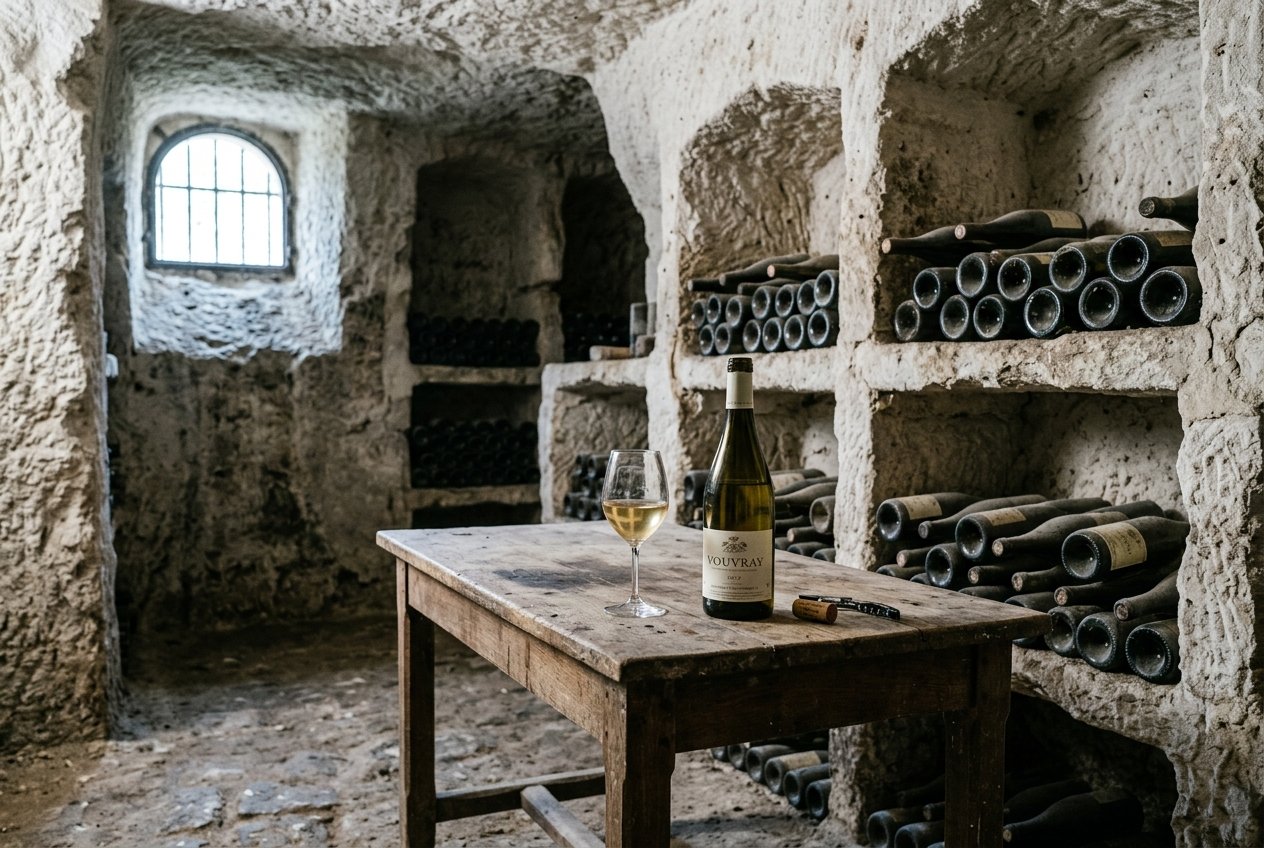
Depending on autumn warmth and the presence of noble rot (Botrytis cinerea), Vouvray ranges from bone-dry (sec) to off-dry (demi-sec) and unctuous dessert wines (moelleux). What binds them all is Chenin’s natural freshness, which balances even the richest sweetness and provides extraordinary cellaring longevity. In cellars carved directly into the tuffeau cliffs, Vouvray matures for decades, evolving nuanced aromas of quince, beeswax, and acacia honey.

Partner offer

Sip the Loire’s Finest.
🇺🇸 USA shipping only
Muscadet: iodine lightness from the Atlantic edge
At the western end of the river around Nantes, where the Loire nears the Atlantic Ocean, Muscadet Sèvre-et-Maine rests on the ancient metamorphic rocks of the Armorican Massif: granite, gneiss, schist and dark gabbro. The single grape, Melon de Bourgogne, finds in these poor soils an ideal setting. Oceanic breezes and cool maritime conditions preserve the fruit’s brightness, yielding a light, salivating white that evokes sea spray and fresh lime.
Muscadet’s defining feature is its sur lie ageing: after alcoholic fermentation, the wine remains in contact with its yeast lees throughout winter until bottling. This imparts roundness, subtle leavened notes, and a gentle natural sparkle that accentuates its thirst-quenching character. For an inside look at this heritage, our Muscadet wine guide and communal crus explains the revival of this maritime terroir.
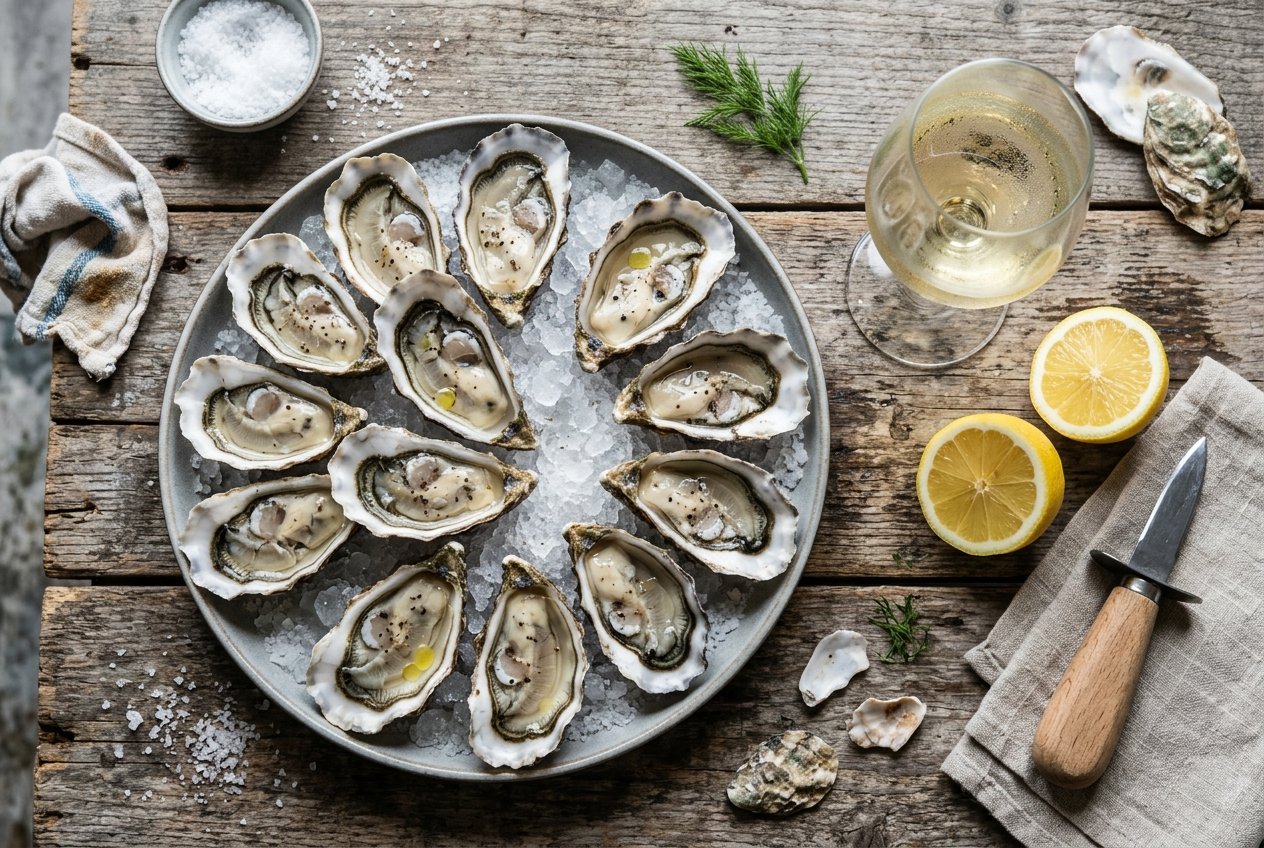
Choosing the right bottle for your table
Navigating these three whites becomes straightforward when matching wine to food. For an aperitif or fresh shellfish – oysters, clams, prawns, whelks – Muscadet Sèvre-et-Maine is the undisputed champion. If you are planning an evening gathering with finger foods, our guide to Loire Valley aperitif wines offers inspiring combinations.
| Appellation | Grape & Soil | Profile & Freshness | Ideal Pairings | Cellaring |
|---|---|---|---|---|
| Sancerre blanc | Sauvignon Blanc on flint (silex), caillottes and marls | Linear tension, vibrant citrus, gunflint and smoky minerality | Crottin de Chavignol, fresh goat cheeses, grilled fish | 2 to 5 years (up to 8-10 years on top terroirs) |
| Vouvray | Chenin Blanc on tuffeau limestone and flinty clays | Dense texture, ripe quince, honeyed notes backed by crisp minerality | Pike-perch in beurre blanc, creamy poultry, mild curries | Dry: 10 to 25 years | Sweet: 30 to 50+ years |
| Muscadet Sèvre-et-Maine | Melon de Bourgogne on metamorphic rock (gabbro, granite, gneiss) | Iodine salinity, thirst-quenching lift, brioche texture from lees | Oysters, raw shellfish, seafood platters, river fish | Sur lie: 2 to 4 years | Crus communaux: 5 to 10+ years |
For artisan goat cheeses (Crottin de Chavignol, Sainte-Maure), Sancerre remains the peerless partner, its sharp acidity cutting through rich curd.
When the menu features sauced dishes – poached pike-perch in beurre blanc, roast poultry with morels, or mild curries – a dry or off-dry Vouvray steps up with textural depth that few dry whites can match.
What unites these three expressions is that hallmark Loire freshness. This cool northern climate ripens grapes gradually, retaining mouthwatering vivacity without alcoholic heaviness. To explore the finest independent estates and plan your next tasting route, the Divine Loire app maps top wine growers across each appellation.
|