Clos de Roche Noire: Chenin Rooted in the Schist Soils of Anjou
Somewhere between a Loire Valley morning mist and the loamy pages of a Balzac novel, a white wine with lineage and just the right salinity…

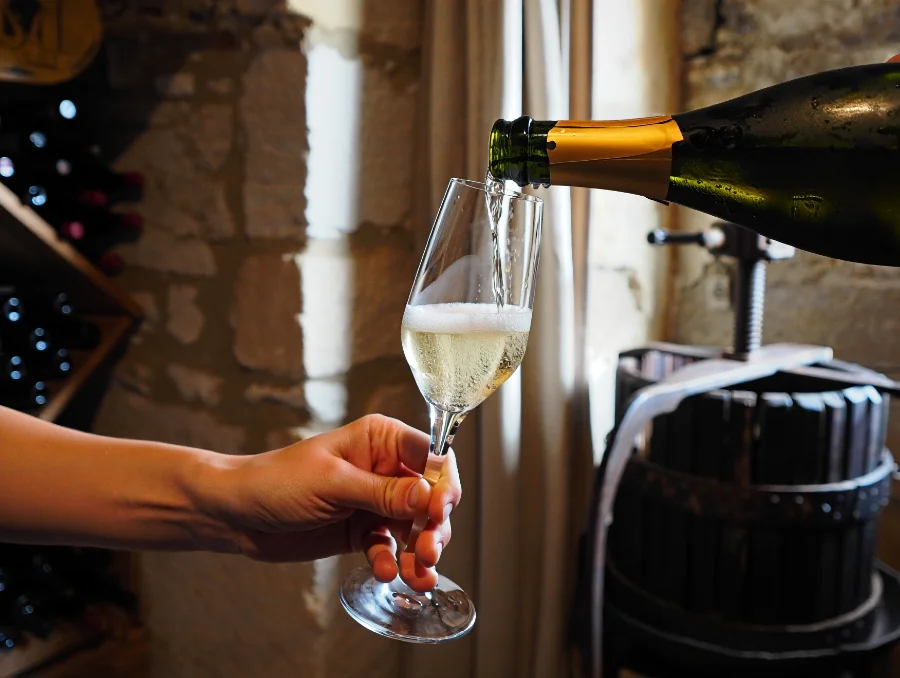
The Art of Bubbly: Crémant de Loire, the Insider’s Champagne of Choice
Somewhere between a Renaissance château and the soft murmur of the Loire river, the question of what fills the flute at apéro becomes more existential…

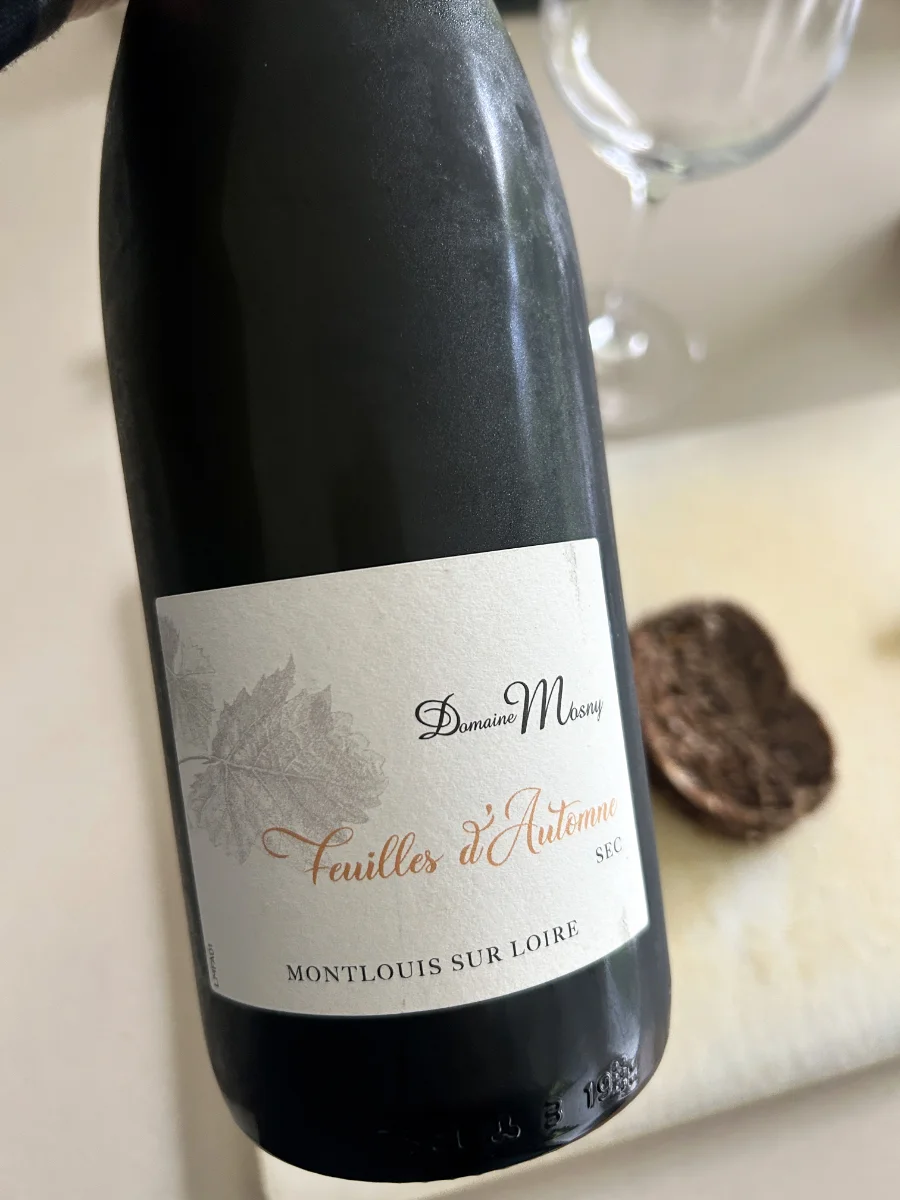
Golden Harvest at Mosny: Autumn Leaves Montlouis Sings the Loire Story
They say Rabelais drank wine on the banks of the Loire to think more clearly… I suspect he simply couldn’t resist the siren song of…
Uncovering Montlouis: Les Javelles 2018 from Domaine de la Croix Mélier
While Vouvray often steals the spotlight in Loire Valley wines, across the river lies a hidden gem: Montlouis-sur-Loire. Here, Domaine de la Croix Mélier crafts…
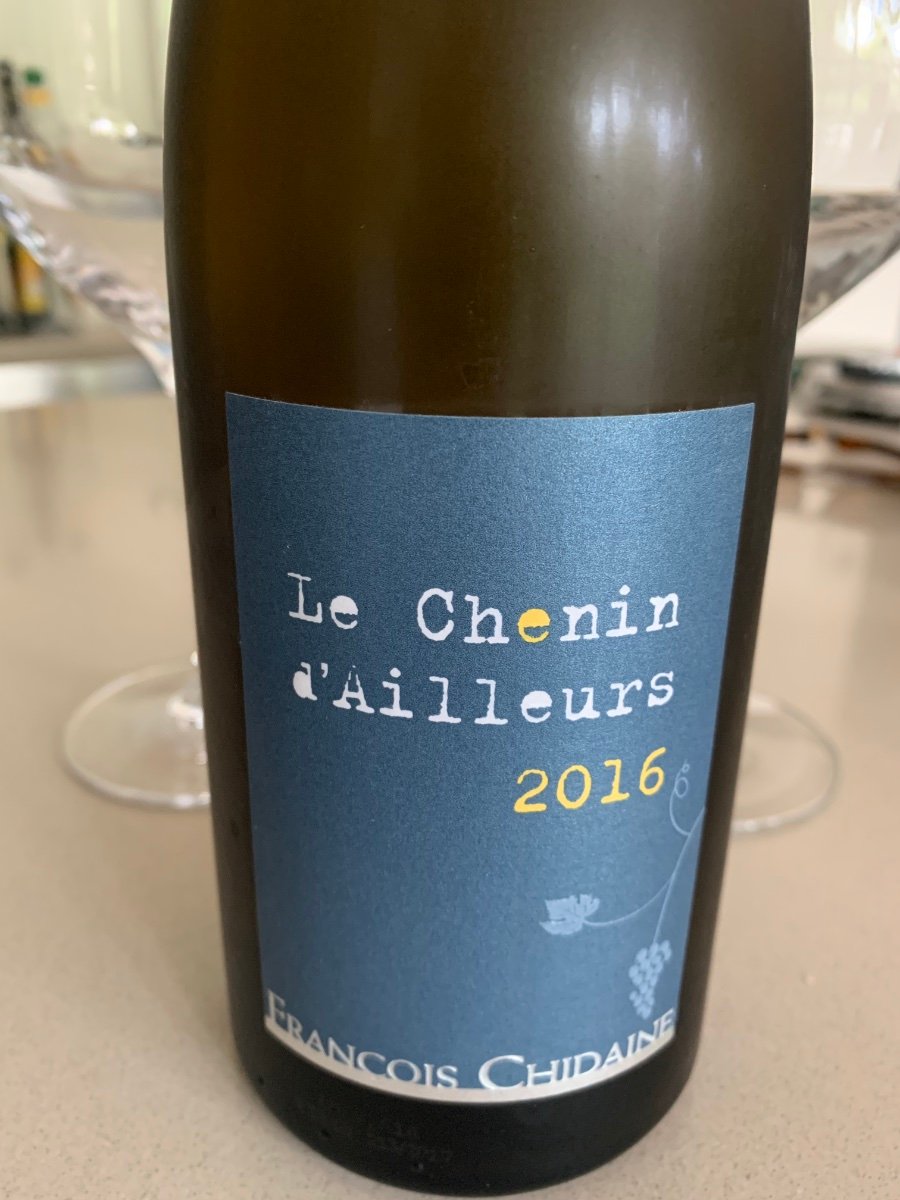
A Divine Drop from the Loire: François Chidaine’s ‘Chenin d’Ailleurs’
In a year that challenged Loire Valley vintners with spring frosts, François Chidaine has crafted a masterpiece that defies the odds. His 2016 ‘Le Chenin…

Sparkling Vouvray wines : better than champagne?
Ahh, the wines of Vouvray… Still poorly known or known only for the sparkling wine (which, by the way, makes for great Spritz). But the…