1. Preparation of the Base Wine
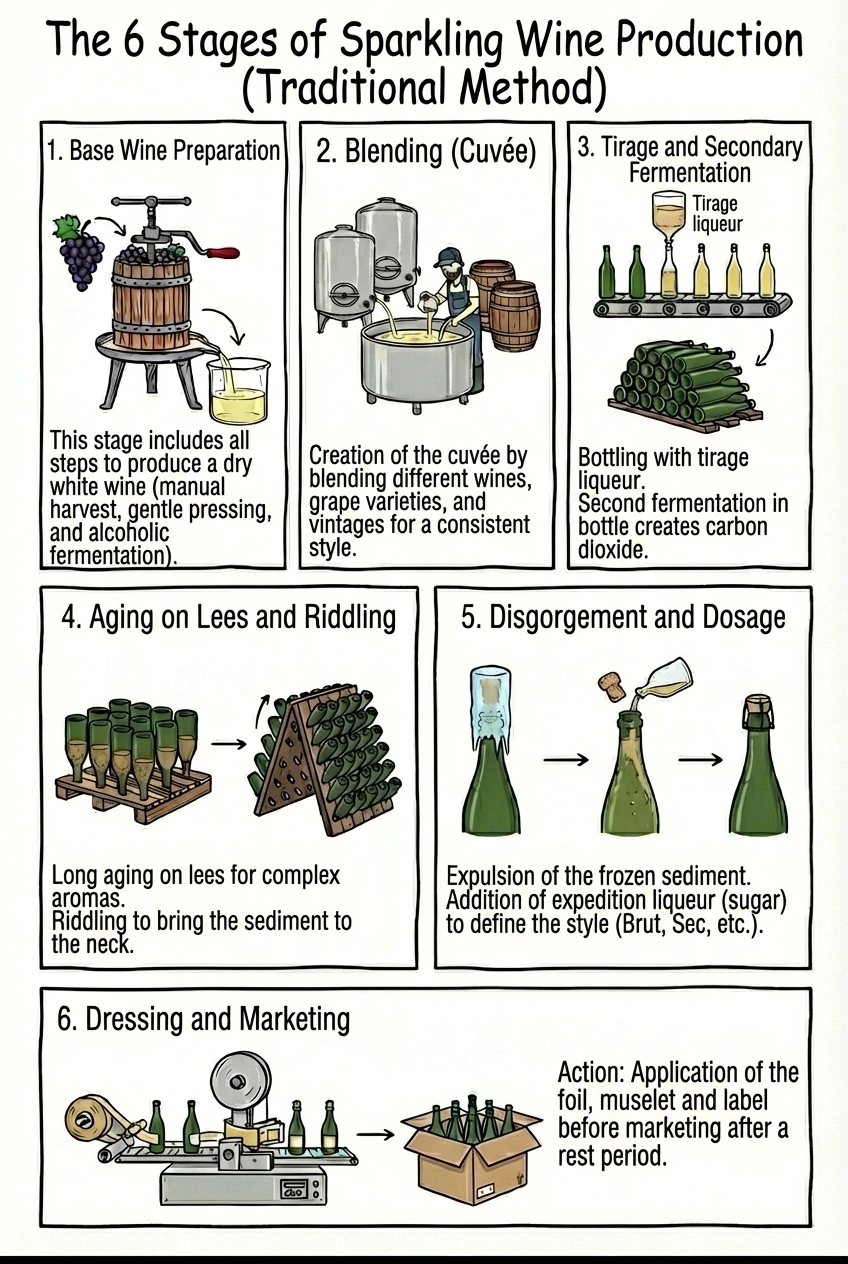
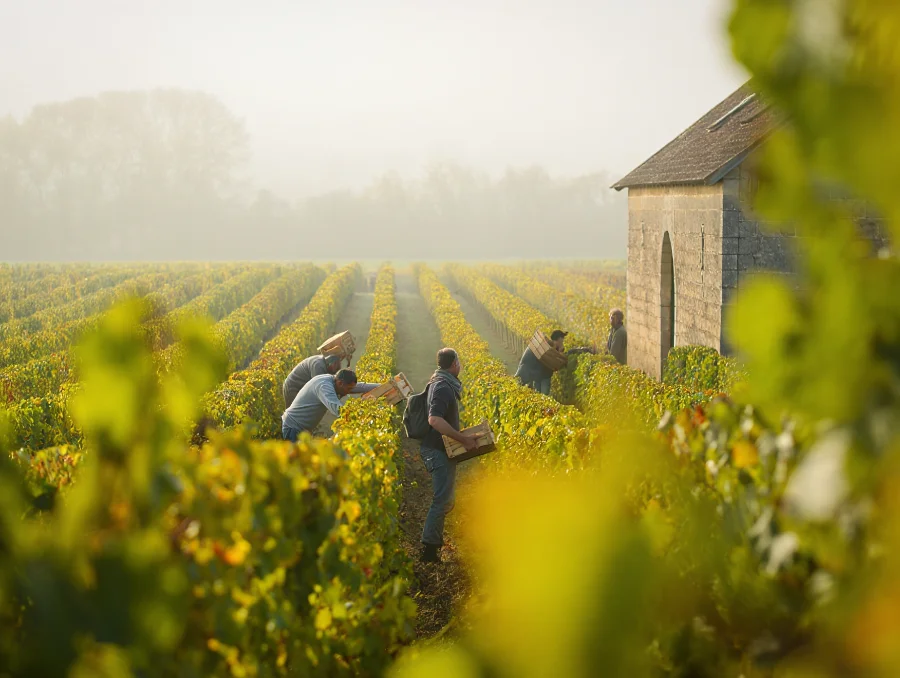
The journey begins not with effervescence, but with restraint. The first step in traditional sparkling wine production is the crafting of vin tranquille, humble and acidic still wines that form the blank canvas of future brilliance. Grapes—typically Chenin Blanc, Chardonnay or Pinot Noir in the Loire—are harvested with precision, their sugars low, their acids bright. A gentle pressing protects the finesse, much as was codified in the 17th century in the vaults of Champagne monasteries. The resulting base wines remain discreet, unassuming—yet they’re the crucial spine upon which the sparkle will stand.
2. Blending the Cuvée
If the base wine is the canvas, the blend is the brushstroke. Here, the maître de chai earns their title, harmonizing different grape varieties, plots, and even vintages into what’s known as the cuvée. Introduced as an art in the 18th century amidst the cellars of Épernay and Saumur, blending isn’t about chance—it’s a calculated alchemy designed to achieve balance and house style. Every house, large or small, has its signature—a style often more consistent than French fashion week trends, despite the vagaries of climate and grape.
3. Second Fermentation: Bottle and Bubbles
The cuvée chosen, the wine is bottled with a precise mix of sugar and yeast—aptly called the liqueur de tirage. This is where magic meets method: a second fermentation begins inside the bottle, slowly forming carbon dioxide that has no escape route. Sealed with a crown cap and stashed in the cool recesses of Loire caves, this is called the “prise de mousse”—literally, the ‘catching of the foam.’ It was only in the 19th century that scientists, including Louis Pasteur, could explain this metamorphosis. Before that, it was simply alchemy by candlelight.
4. Aging on Lees and the Art of Riddling
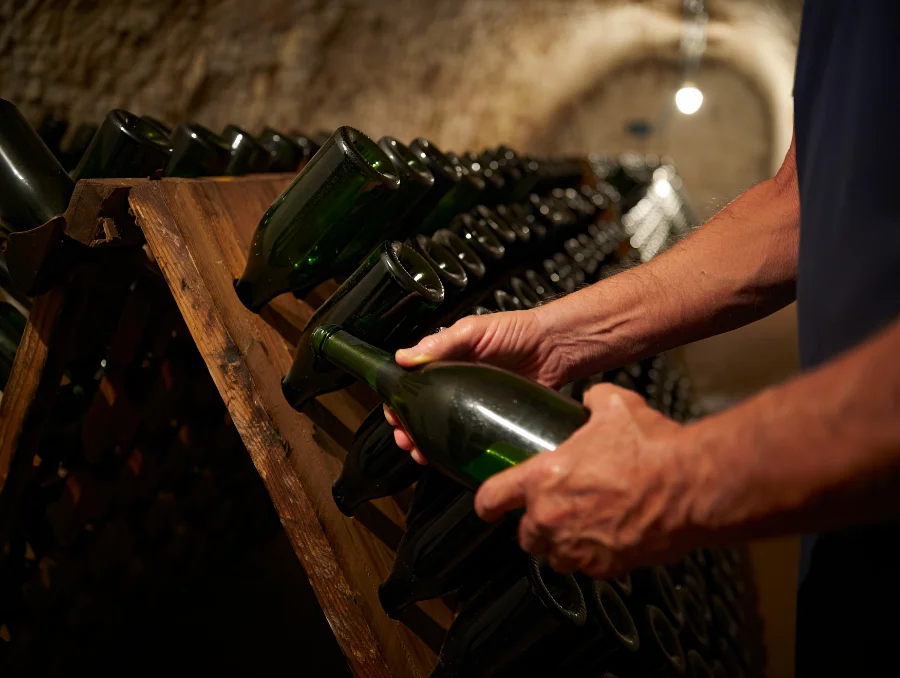
Once fermented, bottles rest on their lees—spent yeast cells—for many months, sometimes years. This autolysis imparts those evocative notes of brioche, almond, and buttery hazelnut. It’s a patient man’s game. Then comes remuage or riddling: centuries ago perfected in Reims around 1816 by the Widow Clicquot’s cellar master. Bottles are slowly turned and tilted to coax sediment toward the neck. Traditionally done by hand, modernity now lends a mechanical hand, but the principle remains as elegant as ever: remove the unwanted without losing the sparkle.

Partner offer

Fast-track to Castles and Fairy Tales
🏰 From €9,50
5. Disgorging and Dosage
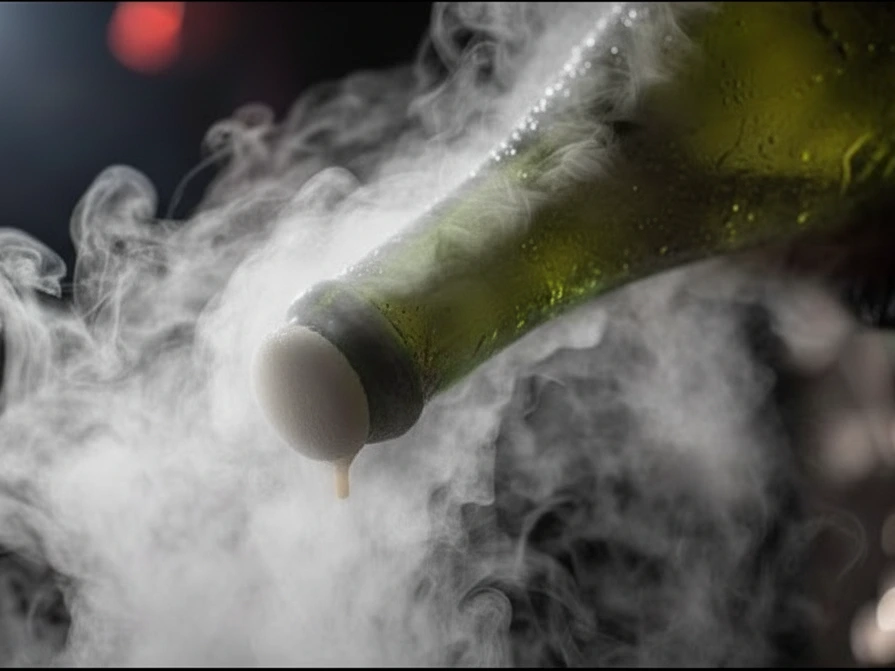
Once the punctuation of yeast has arrived at the bottleneck, it must be expelled—a process called dégorgement in French. Developed in the 19th century, it involves freezing the neck and letting pressure eject the icy sediment plug. Quick, clean, and theatrical. But the story doesn’t end there. A splash of liqueur de dosage—a mix of wine and sugar—is added for balance. Whether the wine becomes Brut, Extra-Brut, or Demi-sec depends on the milliliters added—a choice of style, not sweetness alone.
6. Dressing the Bottle and Sending it Into the World
After a short rest (because even wine deserves a nap), the bottle is cloaked in final robes: the muselet—a delicate wire cage; the foil, glittering like a gala gown; and the label—passport and proclamation all at once. This final act, born from the 20th century’s embrace of branding and export, gives wines of the Loire Valley their modern voice while echoing centuries of heritage. Whether traveling to Tokyo or being uncorked in Tours, each bottle whispers of limestone cellars and winter fermentations, like messages in bottles from centuries past.
Consider, for example, the méthode traditionnelle Crémant from the appellation Crémant de Loire—a quietly regal wine that ages often longer than its Champagne counterparts. One evocative cuvée from Domaine Huet, for instance, rests on its lees for over 36 months, offering aromas of toasted brioche and quince that unfold like the pages of a leather-bound book. It’s not just indulgent—it’s cultured effervescence.
There may be flashier wines, louder celebrations, and shinier corks, but few stories are as rich—or as quietly persistent—as the Loire’s shimmering heritage. So, why not let your next toast explore beyond the obvious? A good place to start: scroll to the end of the page to discover our favorite selections and regional gems. Santé, naturally.



![PODCAST [S1E4] – The Well-Kept Secrets of Anjou-Saumur Wines](https://divineloire.fr/en/wp-content/uploads/2025/11/geologie-des-vins-d-anjou-saumur-1.webp)