S1E4 – The Anjou-Saumur vineyard
From Savennières to Saumur-Champigny, a journey into a land of remarkable geology.
When it comes to French wine, there are regions that like to shout, and then there is Anjou-Saumur — a whisper of schist, a murmur of tuffeau, and an echo of noble rot. It’s the kind of place where geology speaks louder than marketing. Imagine a landscape where soil fractures give rise to liquid dialects, and you begin to understand what makes this stretch of the Loire so quietly revolutionary.
Historically, these vineyards have seen popes, kings, and poets pass through. In 1152, the marriage of Henry II of England and Eleanor of Aquitaine brought Anjou under English control — a partnership that inadvertently introduced the Cabernet Franc grape to Britain’s thirsty elite. It turns out that under feudalism, even vine cuttings traveled first-class.
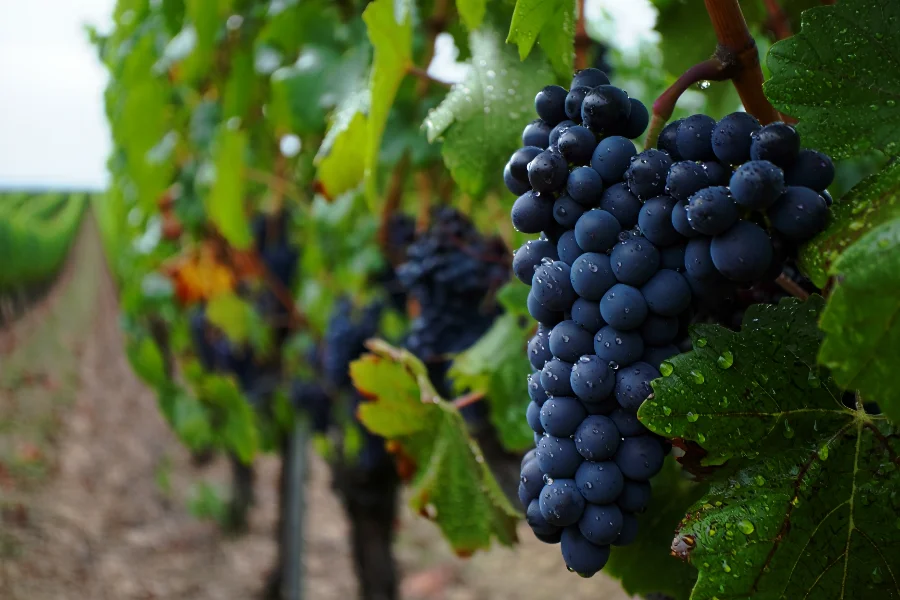
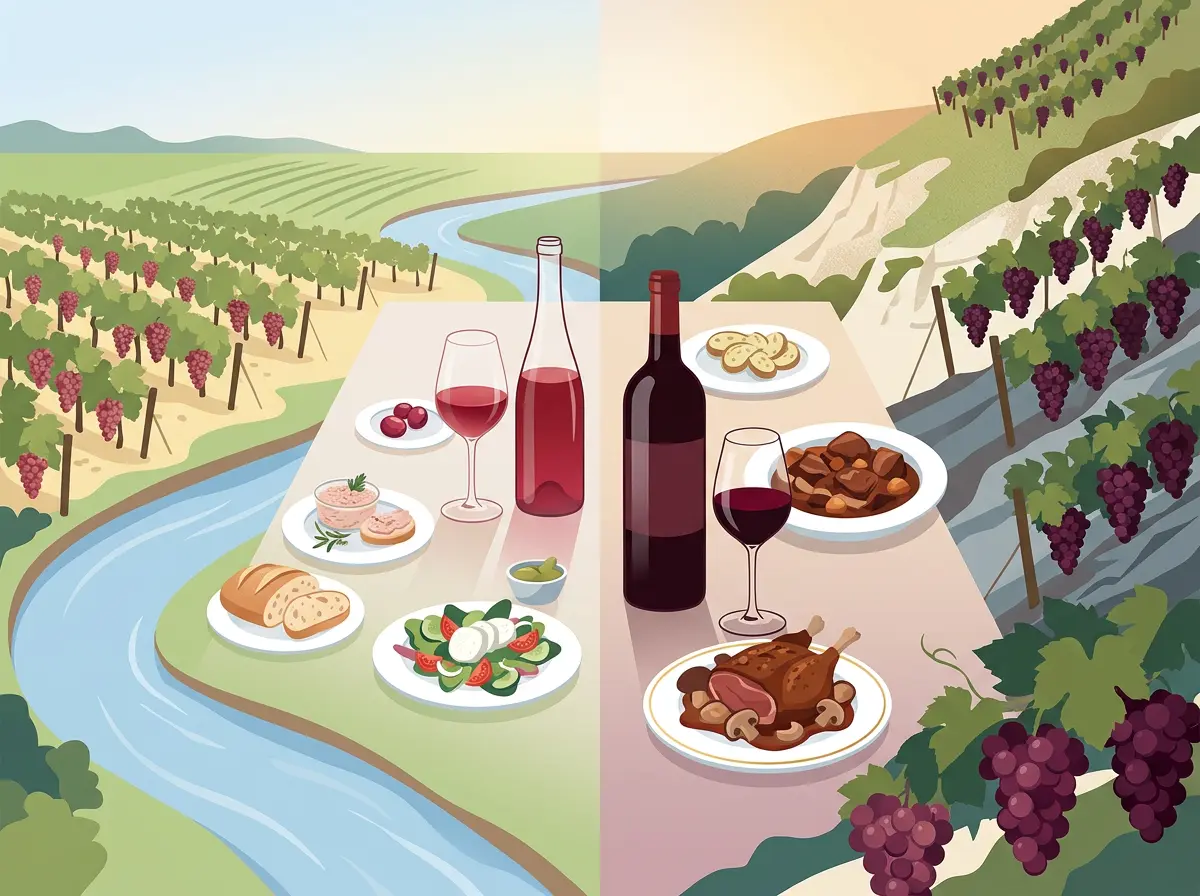
One of the curious dual identities of the region lies in the evocative split between Anjou Noir and Anjou Blanc. A geological boundary where ancient schists give way to flamboyant tuffeau limestone. The Cabernet Franc from the dark schists is structured, sharp, and brooding; the white-limestone cousin feels like an aristocrat in a silk cravat, velvety yet precise, steadfast yet ephemeral.
This divergence is more than a soil map—it’s practically an inner monologue of a varietal. And nothing reveals this better than our immersive podcast journey through the vineyards. We begin in the poetic starkness of Savennières, where dry Chenin Blanc is shaped by schists and a discipline worthy of a Renaissance philosopher. The result? Mineral-driven, contemplative wines that require a second sip before they begin to speak.

Partner offer

Explore France with a Private Guide – Go With Guide
Find your guide now 🇫🇷
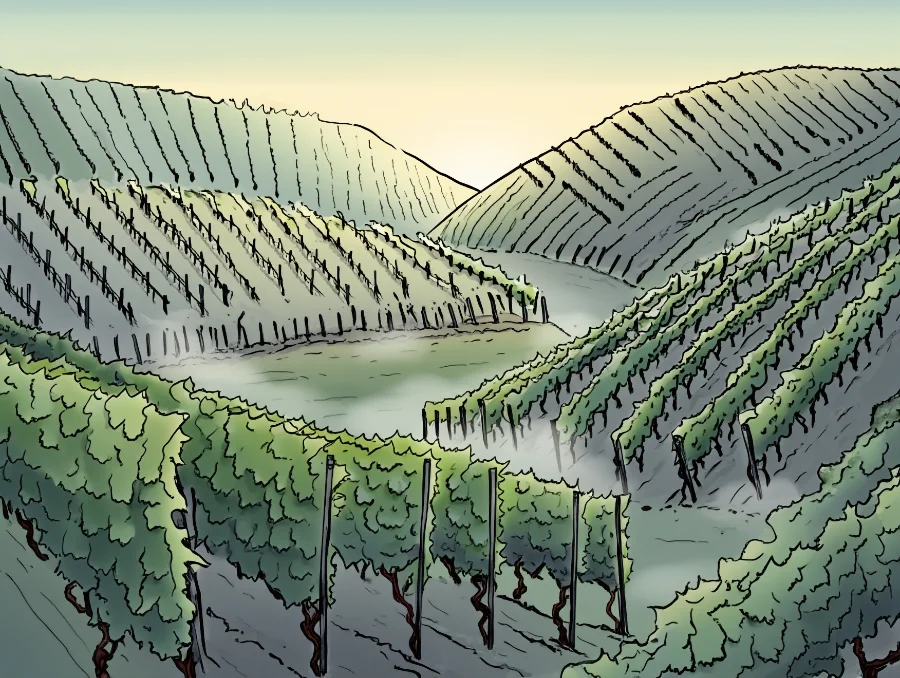
Follow the Loire’s gentle meanders and you’ll find the misty Coteaux du Layon, where nature and patience conspire every autumn. The noble rot—Botrytis cinerea—doesn’t ruin but refines, and the wines here shimmer with notes of quince, saffron, and apricot. Those looking for living poetry in a glass won’t be disappointed.
In Saumur, the underground tells a different tale. The troglodytic caves, dug from tuffeau since the 11th century, provide the perfect playground for slow maturation. Here, wines grow patient and luminous, their edges polished by cool, consistent humidity. These galleries can be visited — one standout is the estate Domaine de la Paleine in Le Puy-Notre-Dame, where a new generation is crafting saline, focused Cabernet Francs with a precision that recalls a freshly honed sabre.
As for the sparkling wines? They are more than festive. Saumur’s crémants rival the best, the result of cool caves and long élevages. The bubbles are so fine they could pass for courtly intrigue. For a masterclass, visit Gratien & Meyer, whose historic cellars overlook the river and offer not just wine, but a panorama that rivals any cathedral vault.
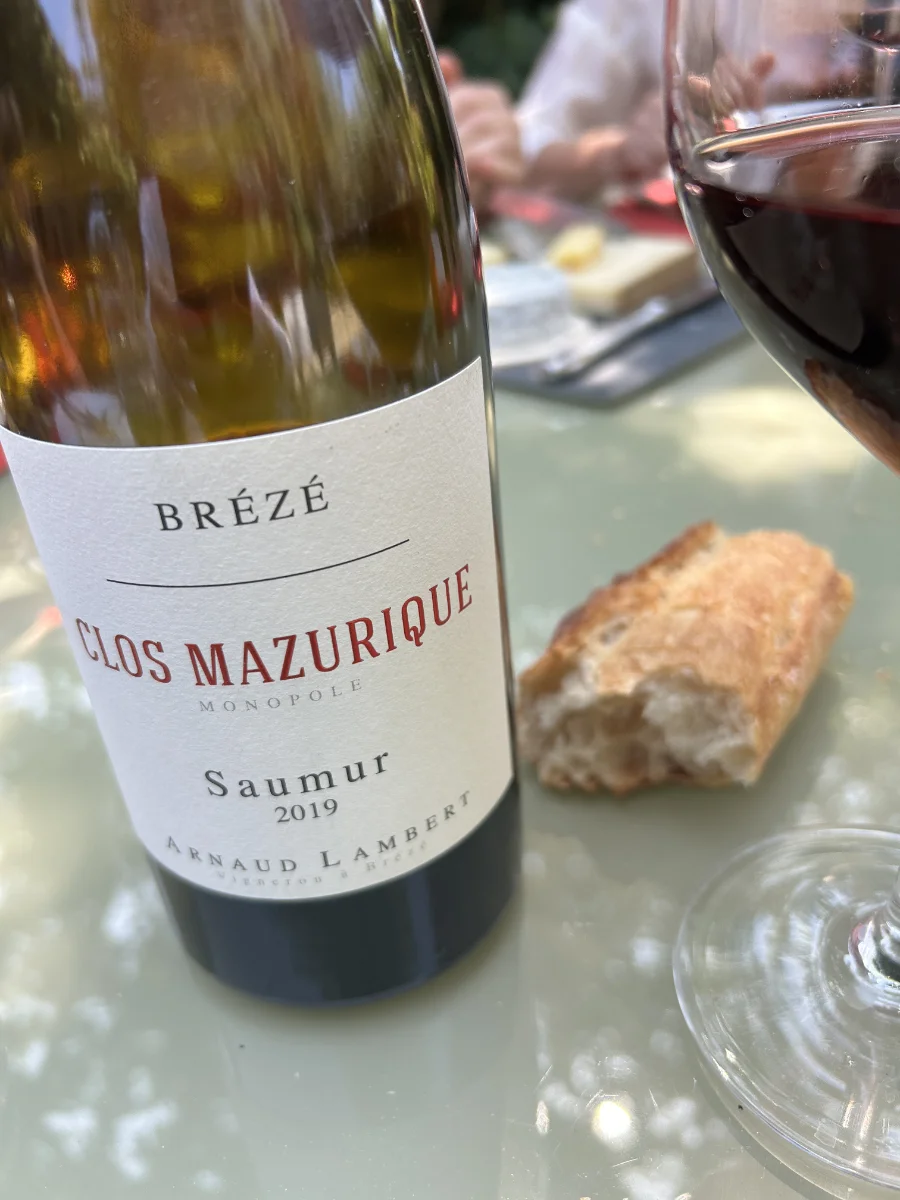
For those with an eye (and nose) for elegance, Saumur-Champigny offers red wines that are pure, ethereal, and persistent. Their freshness and velvety texture come from limestone plateaux swept with air — nature’s own decanter. Seek out a bottle from Clos Rougeard, a cult name whose old-vine Cabernet Francs command reverence as much as price.
Before winding up, here’s a quiet tip: rent a bike from Angers and follow the Loire à Vélo path. Stop at the Château de Brissac — France’s tallest château and still family-owned. Take time to sip a local rosé in its shade, and you’ll understand why wine here is not just drink, but dialect.
Thank you for listening — and reading — and may we meet again soon, perhaps in the intimacy of a chai, or the next episode of our podcast dedicated to the mosaic of vineyards that is Anjou-Saumur.