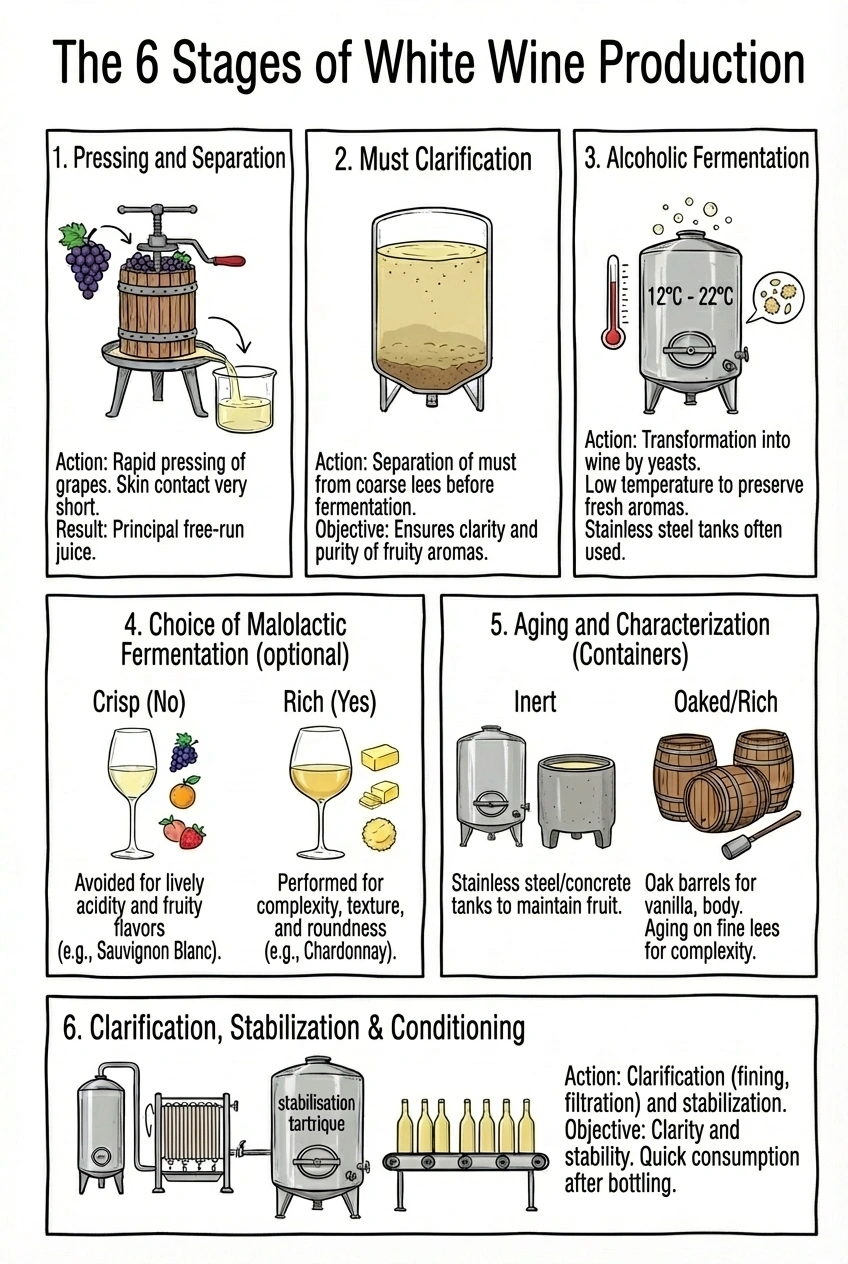
1. Crushing, Pressing and Separation — Juicing Without the Drama
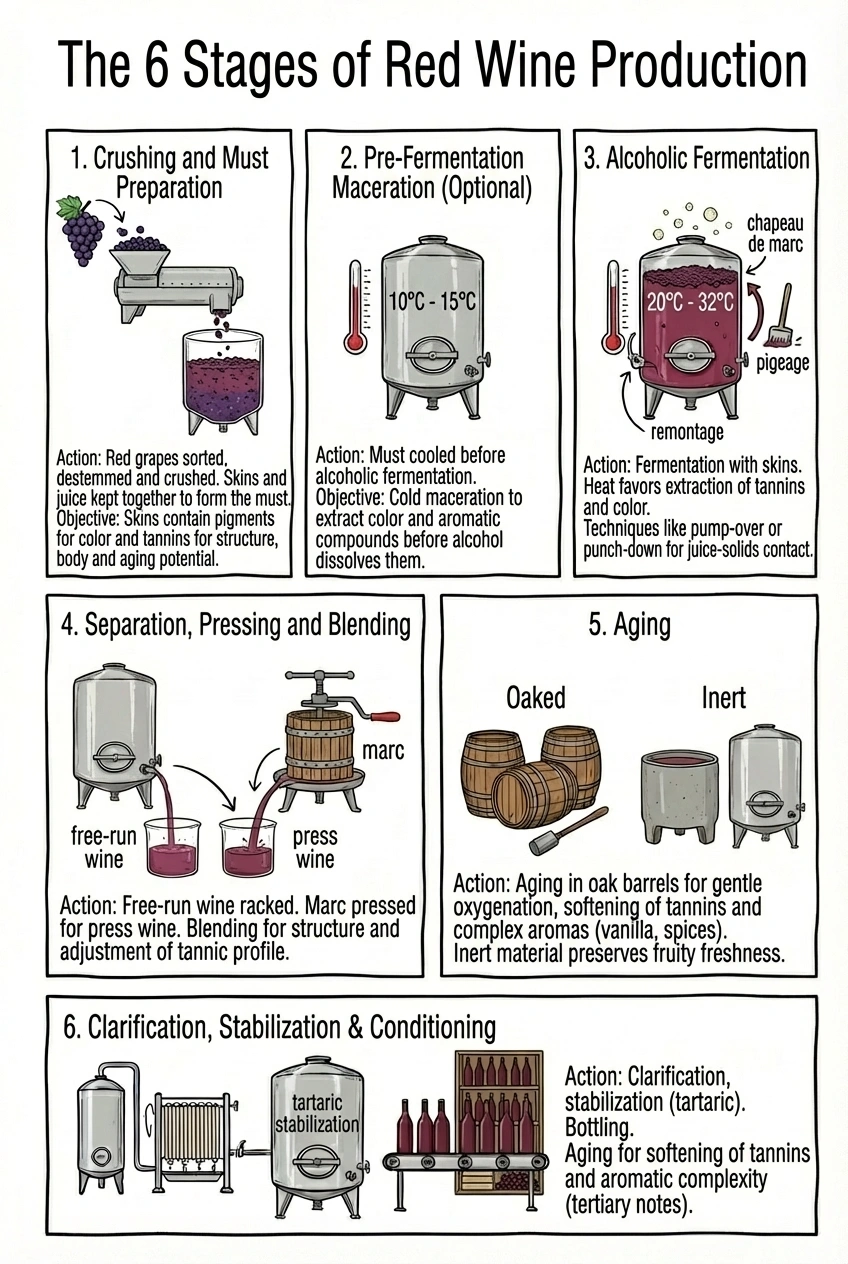
The prologue to any reputable vintage begins in the vineyard, yes, but the moment the grapes arrive at the winery marks a critical inflection. Reception and sorting ensure only pristine berries earn their place in the press. Leaves, imperfect bunches, and overripe intruders are cast aside with a precision that would satisfy even Hercule Poirot. This initial triage is decisive: quality moût derives from a clean, balanced selection, priming the juice for faithful expression of origin and varietal.
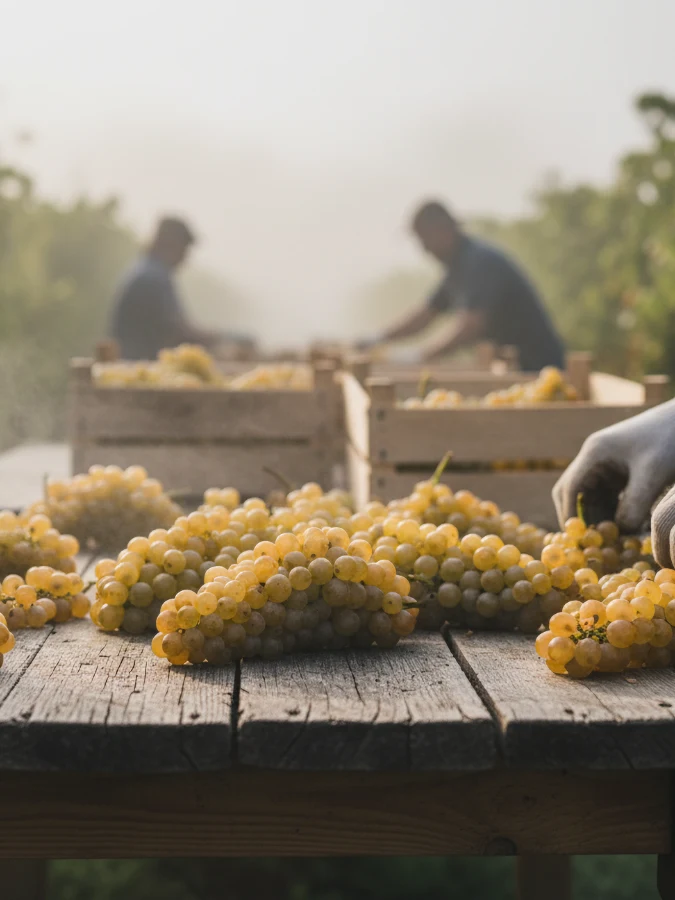
Despite its epicurean glamour, the transformation of white grapes begins with something rather mechanical. Immediate crushing and pressing, ideally within hours of picking, minimize skin contact. Unlike red winemaking, which extracts complexity from skins and seeds, white production seeks distance. The result? Crystal clarity, soft acidity, and a finish as crisp as a starched collar. Tannins and deep pigments have no part here. When done right, this pressing conserves the grape’s gentle fragility—and keeps the final wine from tasting like a mistake in a blender.
Now, just before pressing—or occasionally just after—some producers indulge in a brief pellicular maceration. Just a few precious hours with skins can coax subtle floral top notes and stone fruit hints into the juice. But tarry too long, and you risk bitterness, off-hues, or worse: a nose more reminiscent of old socks than Sauvignon Blanc. In most cases, brevity is the soul of aroma. Modern white profiles demand finesse, not power.
2. Must Clarification and Fermentation — Shades of Transparency
Even the finest press yields a cocktail of pulp residues and microscopic debris. Clarifying the must is therefore essential. Through cold settling or flotation, winemakers remove the lion’s share of suspended particles before fermentation begins. Why? Because a clean juice ferments beautifully. Fewer solids mean fewer off-flavors, better yeast performance, and ultimately a texture that’s bright and unclouded by compromise.
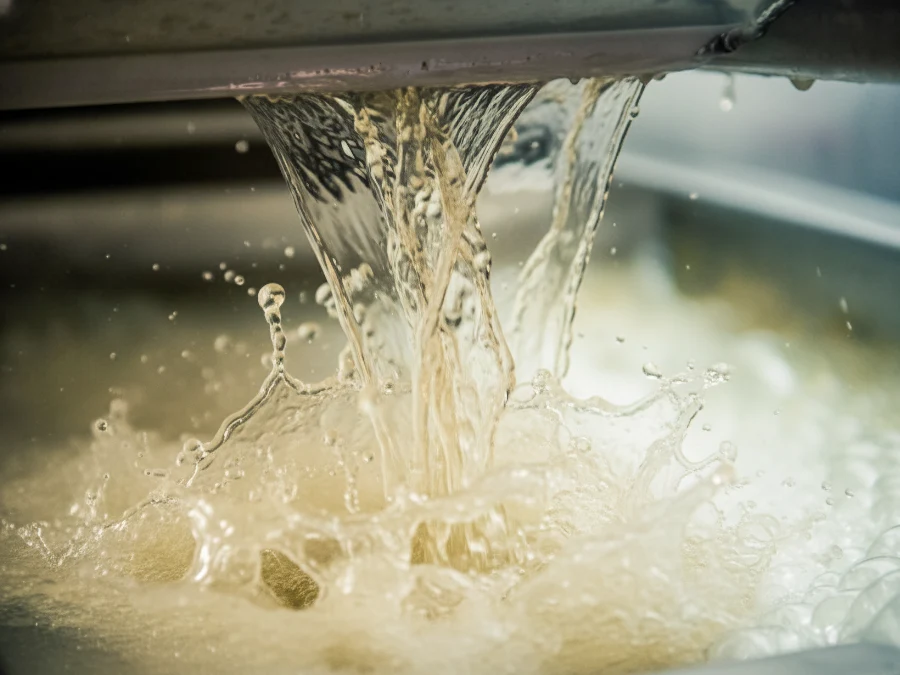
Fermentation itself prefers cooler temperatures — between 12°C and 22°C. Slow, steady transformation under these chilled conditions helps preserve primary aromas: citrus peel, honeysuckle, and the kind of minerality that would make a Chablis blush. Oak barrel or stainless steel tank? That decision depends less on tradition than intention: steel keeps things brisk, oak imparts structure and spice. Each has its part to play.

Partner offer

Become a winemaker for a day with Wecandoo!
Great wine workshops in 🇫🇷
3. and 4. Alcoholic Fermentation, Racking and (Sometimes) Malolactic Fermentation
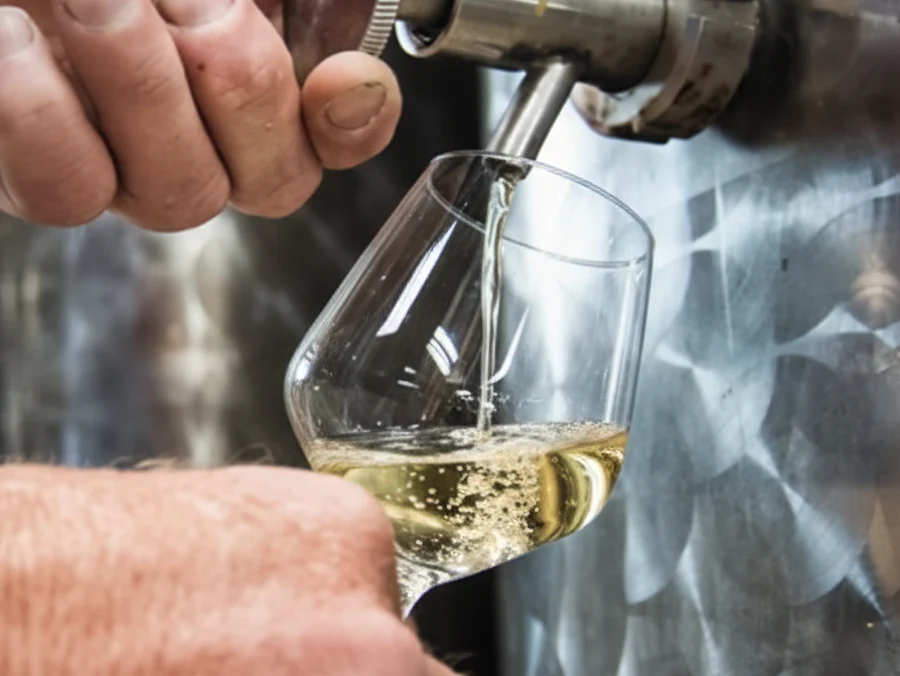
Once fermentation has wrapped—often within three weeks for most dry whites—the wine rests atop its lees. Some of these lees are fine and beneficial; others, bulkier ones, less so. Through racking (or soutirage), heavy sediments are removed, preserving the wine’s vivid aromatics and textural poise. For some styles, a gentle malolactic conversion follows: sharp malic acid softens into creamier lactic expressions. This secondary fermentation is a signature move for richer whites like Chardonnay, adding supple weight and roundness. In crisper bottlings—think Riesling or Albariño—it’s typically bypassed to retain electric acidity.
5. adn 6. Aging, Stabilization, and Bottling — The Final Sweep
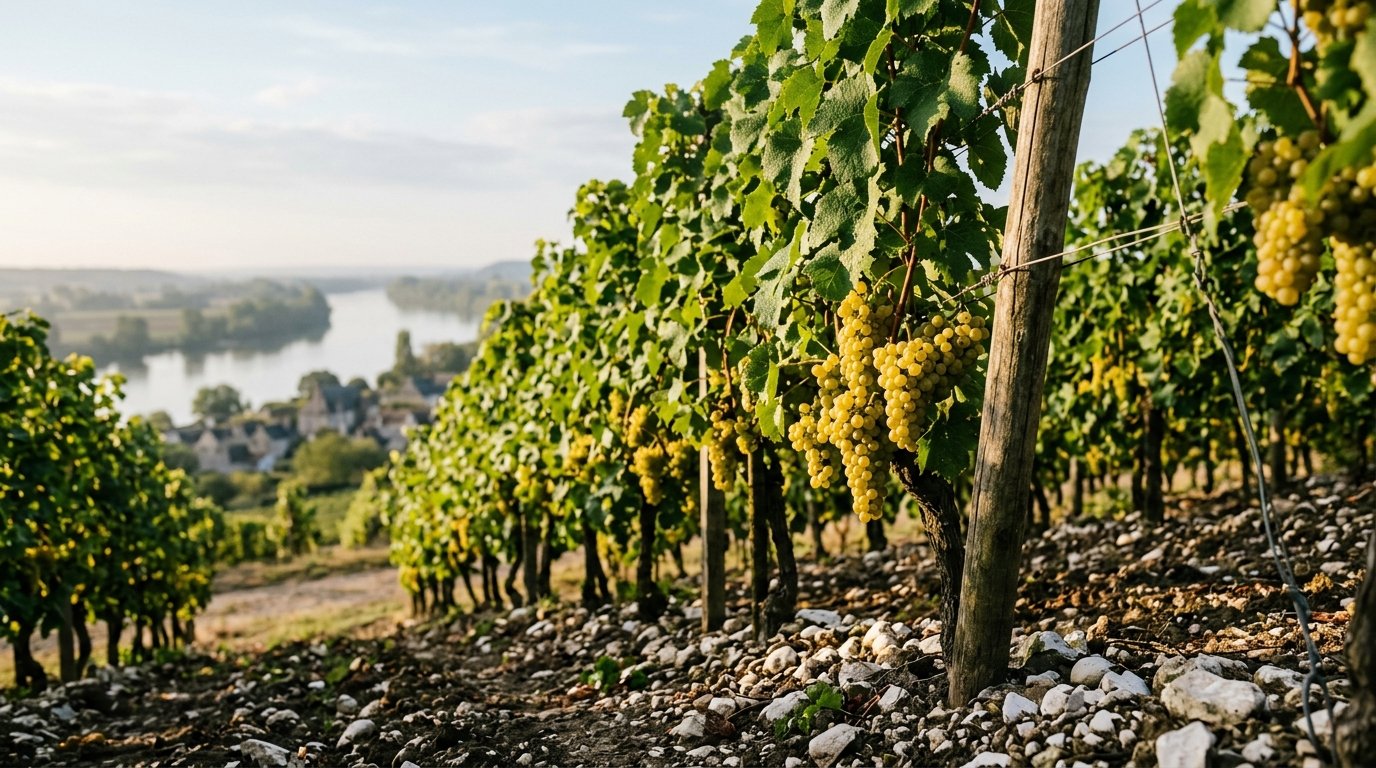
This final act is all about polish and steadiness. Élevage—aging in tank or barrel— continues the fine-tuning. Stainless steel favors purity and freshness; neutral oak or lightly toasted barrels offer body and nuanced accents. Notably, some Loire expressions—such as Vouvray—can age sur lie for added texture, sometimes with batonnage to enhance creaminess.
Stabilization follows, usually involving clarification by fining or filtration to tamper down proteins or microbial vagabonds. Brief sulfur additions protect against oxidation, ensuring longevity past the bottling line. Done well, the wine slips into its glass home ready to withstand time and transport while keeping its bouquet intact.
Consider the elegance of a Domaine Huet Vouvray Sec—vintage 2019. Its impeccable clarity, stonefruit on the nose, and linear tension are no accident. Every stage above conspired to bring it into balance. Was this the result of rustic chance? Hardly. It is precision in fluid form, the harmony of meticulous labor and patient respect for nature’s rhythm.
So next time your glass captures a shaft of afternoon light and offers that first, mineral whisper of quince or pear blossom, remember—this alchemy began long ago, not in the clink of cheers, but in a cellar humming with low temperatures and rigorous intent.
Curious to explore these styles up close? A visit to the vineyards of the Loire or a browse through a curated selection of white labels might be your next step. Subtle revelations await in each swirl, for those who know how to watch—and taste.